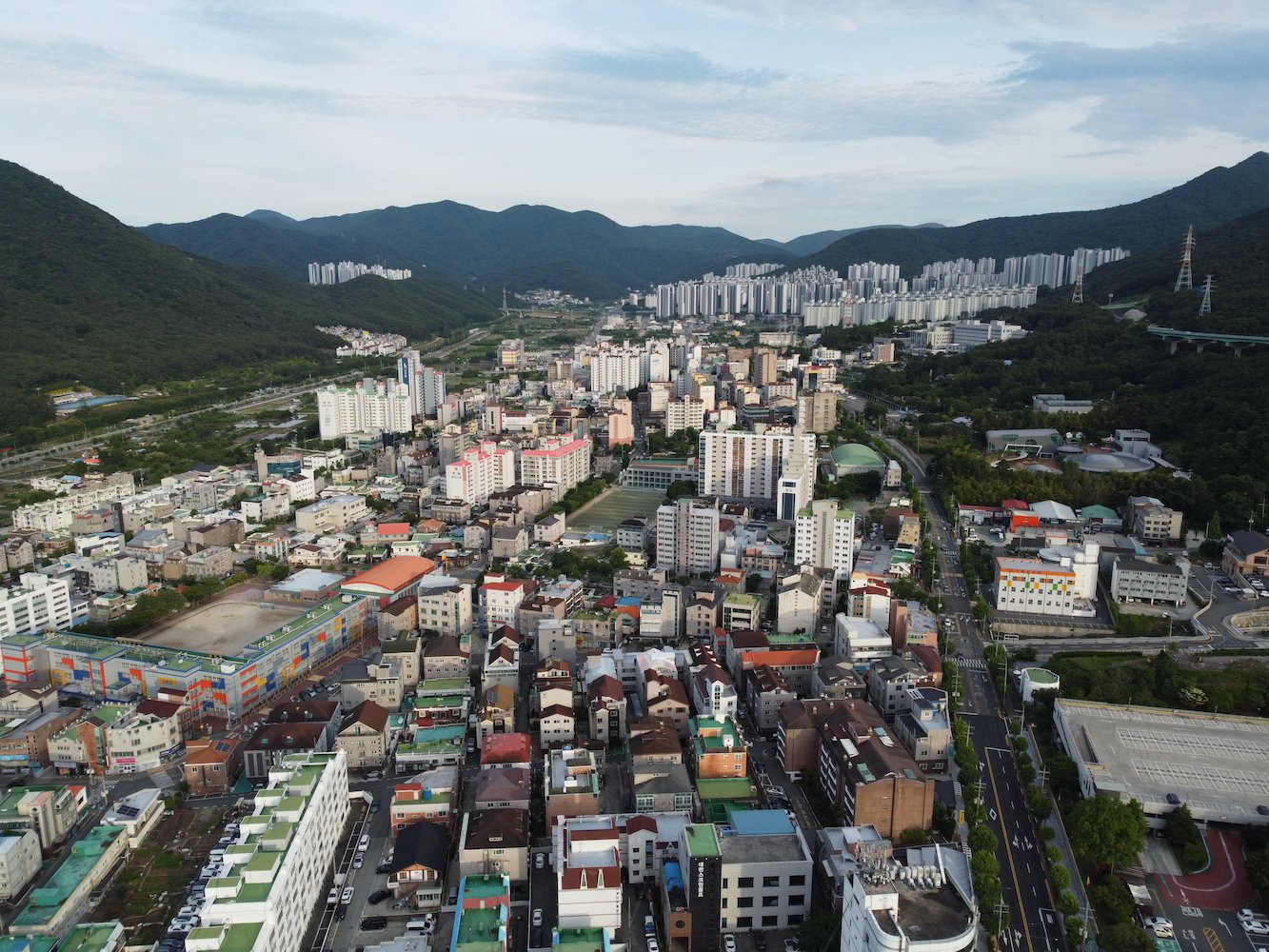
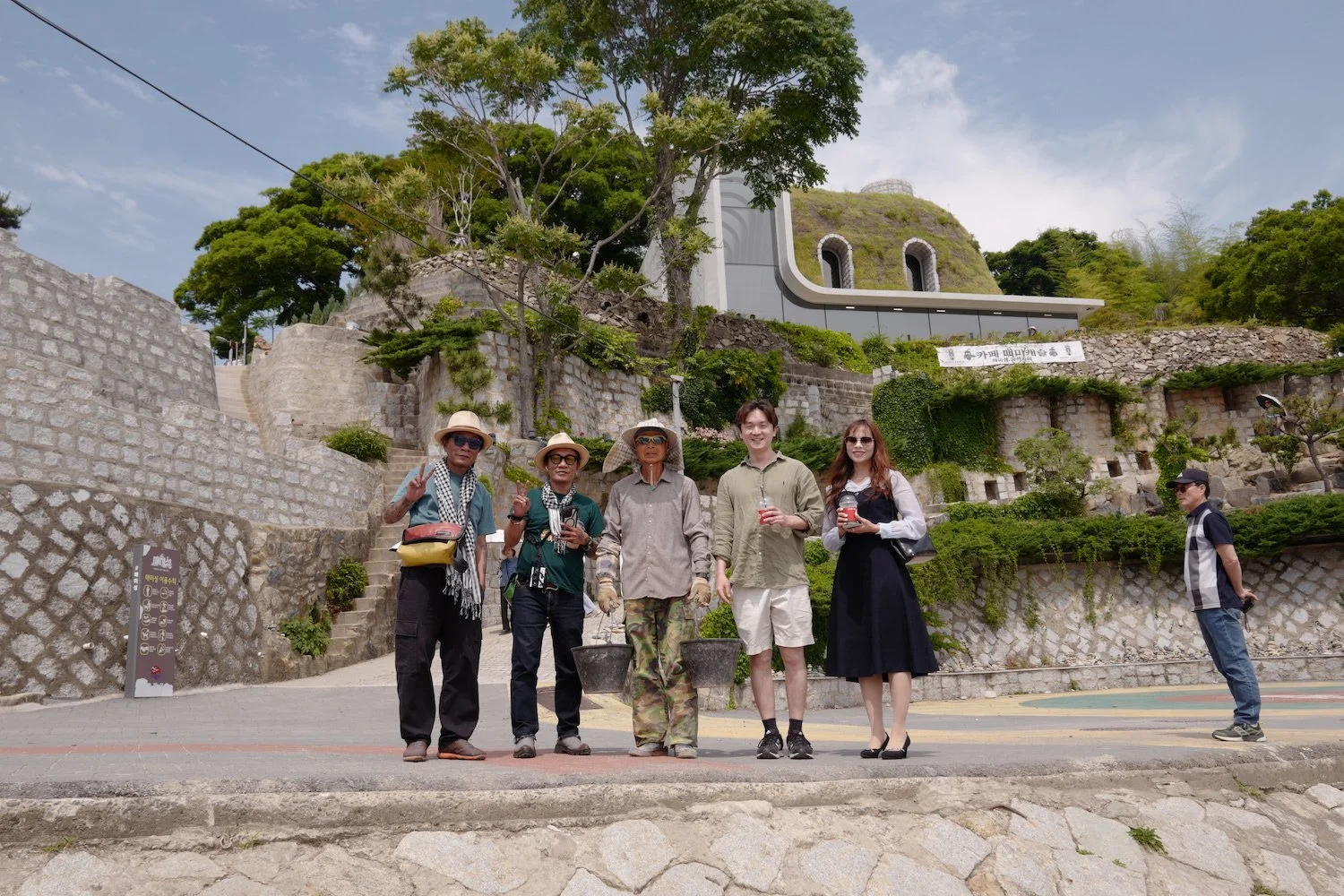
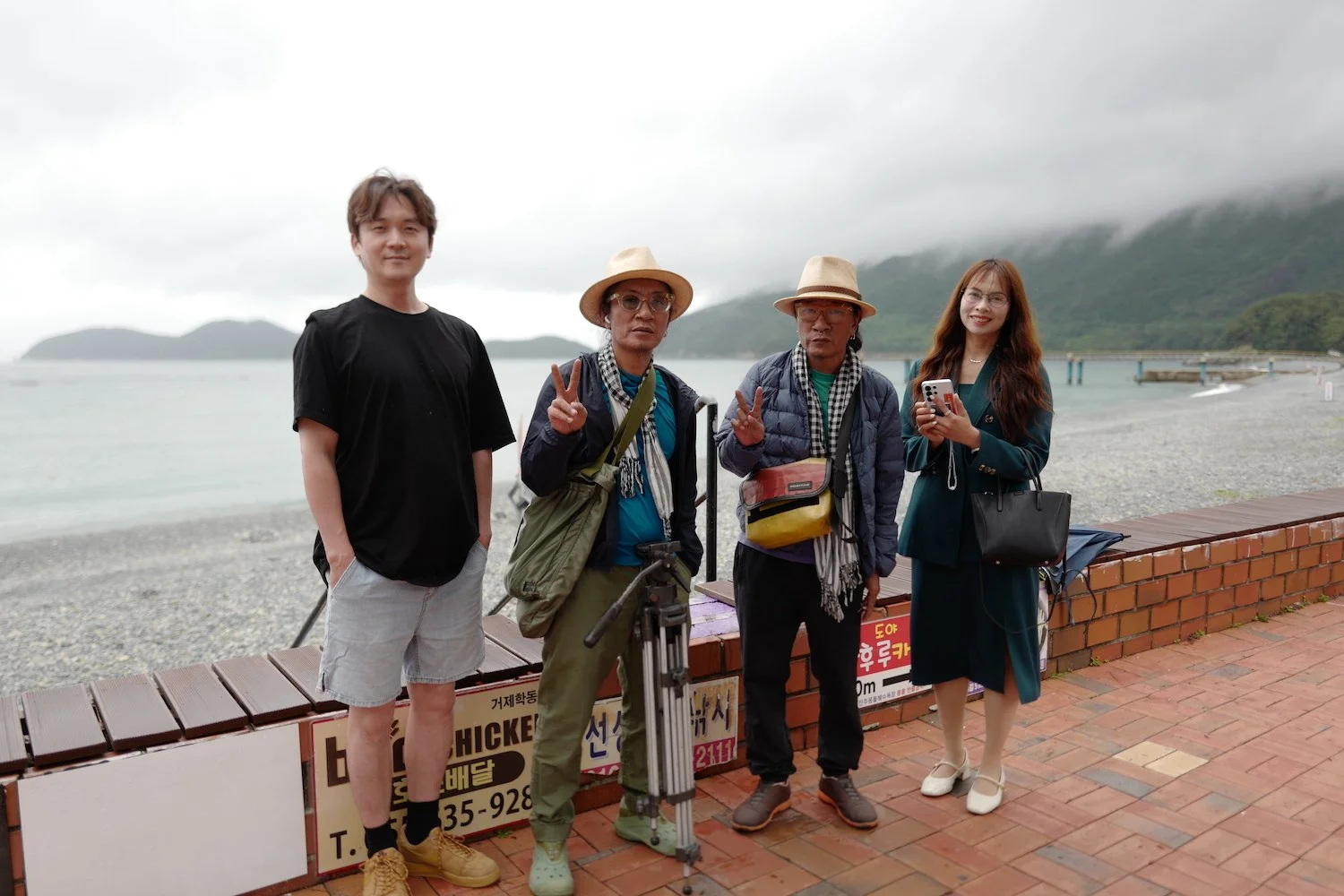
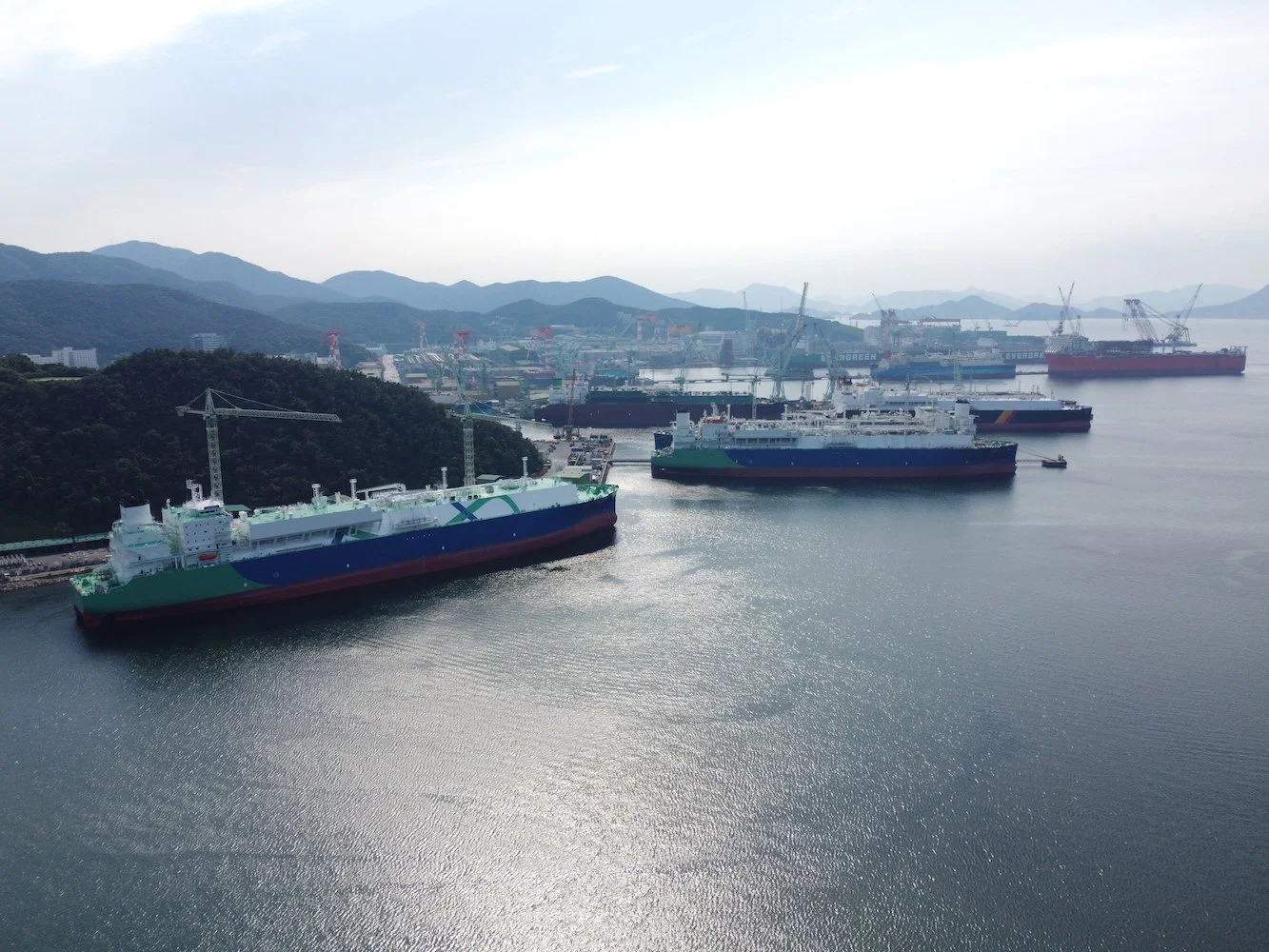
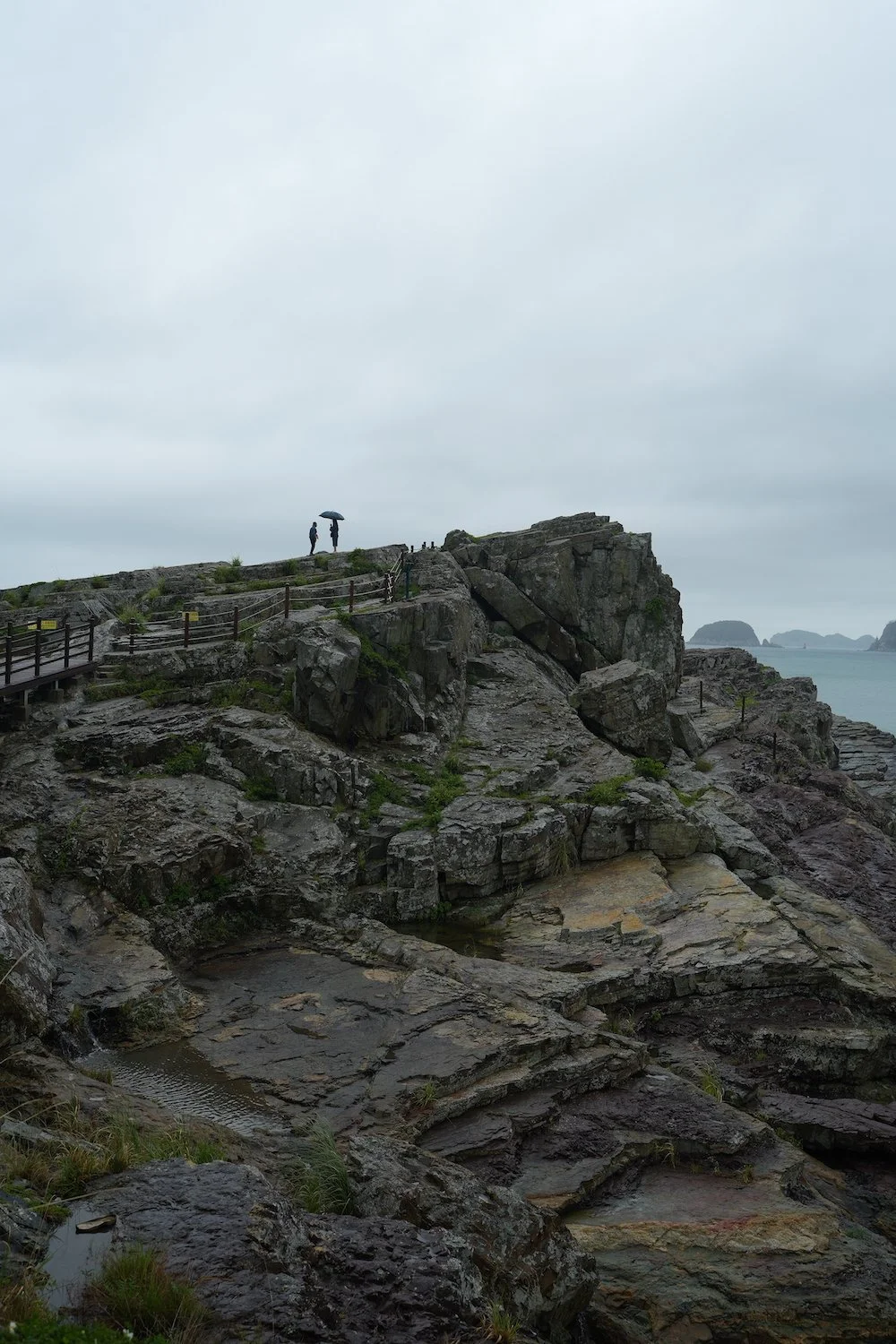
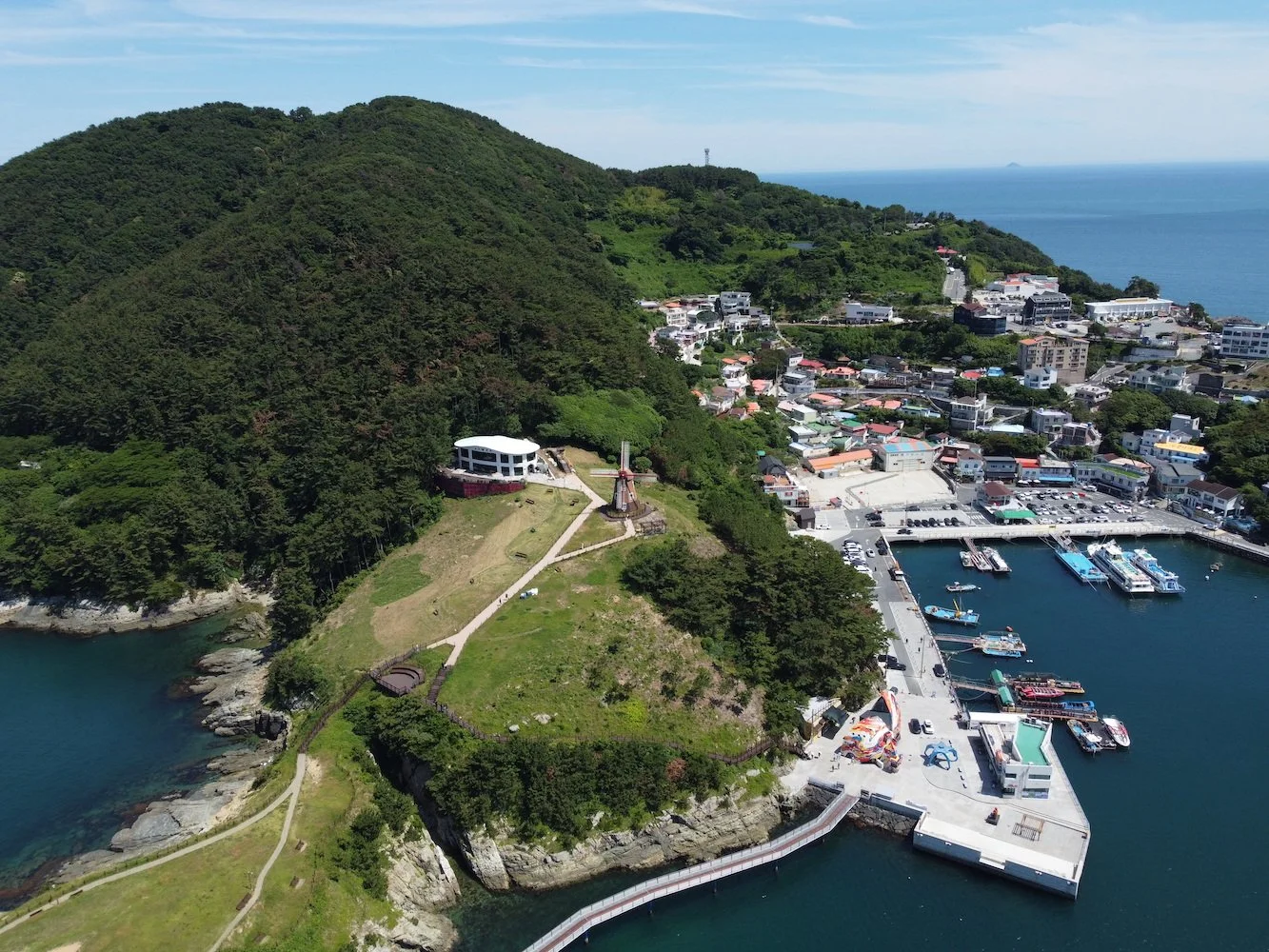
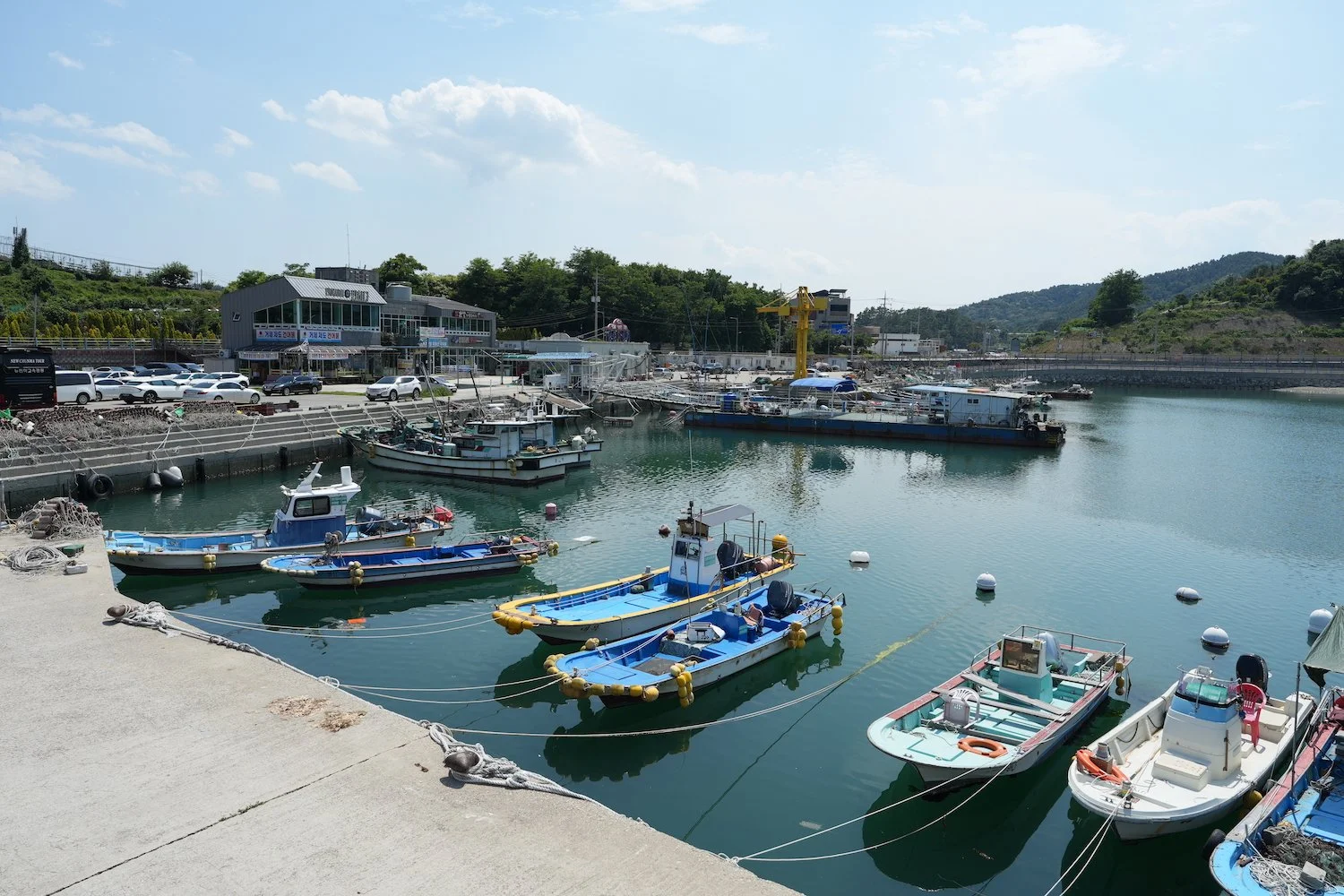
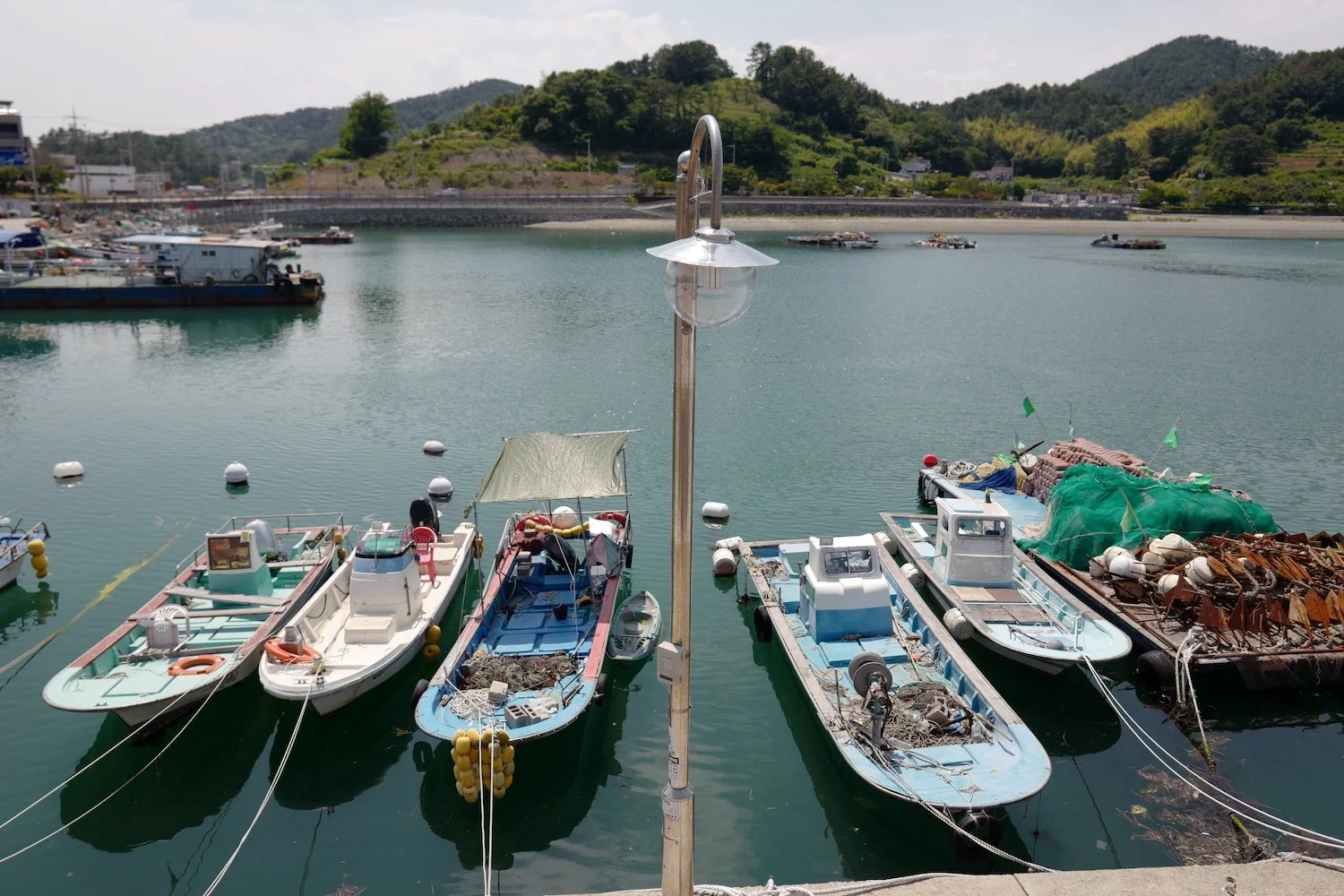
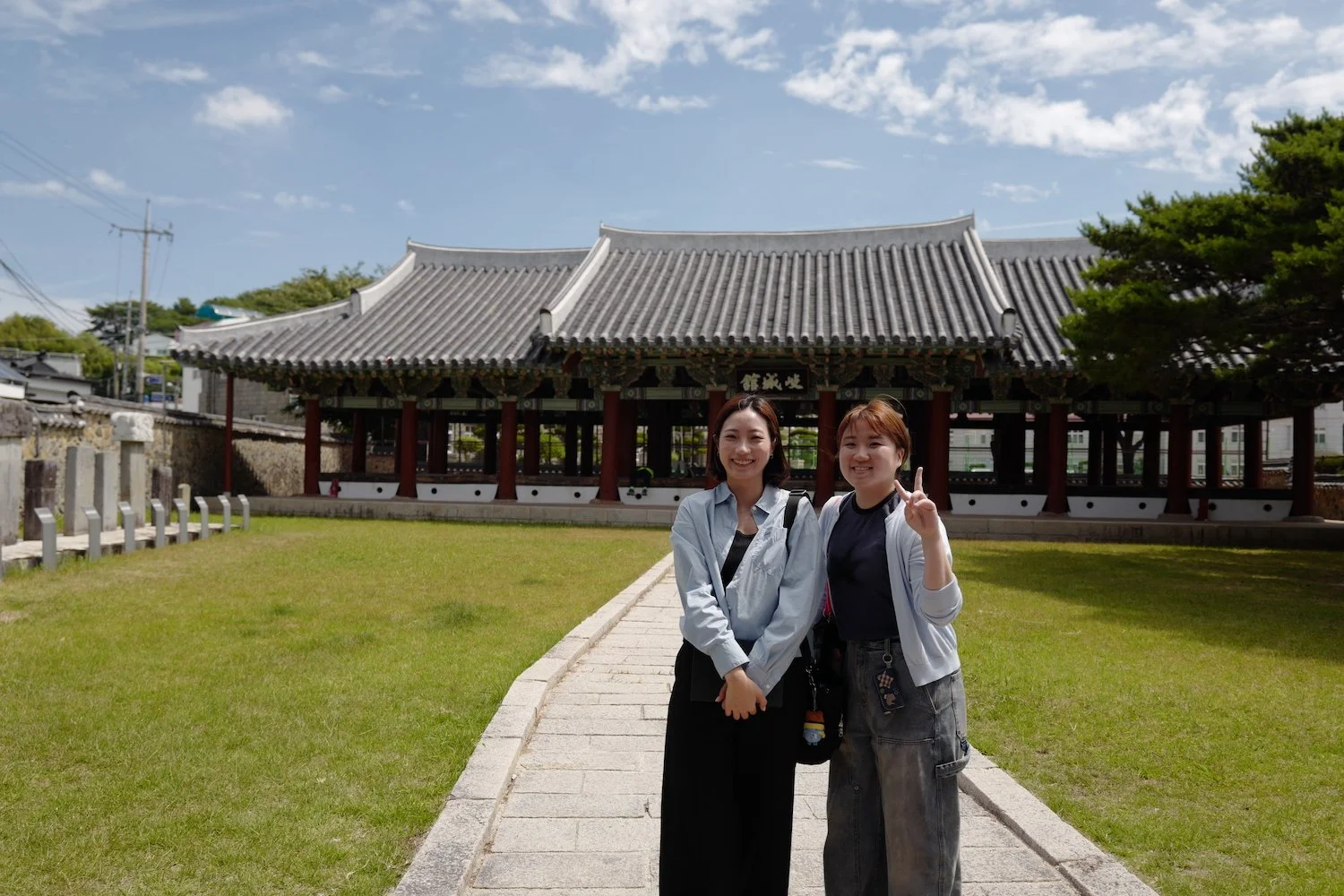
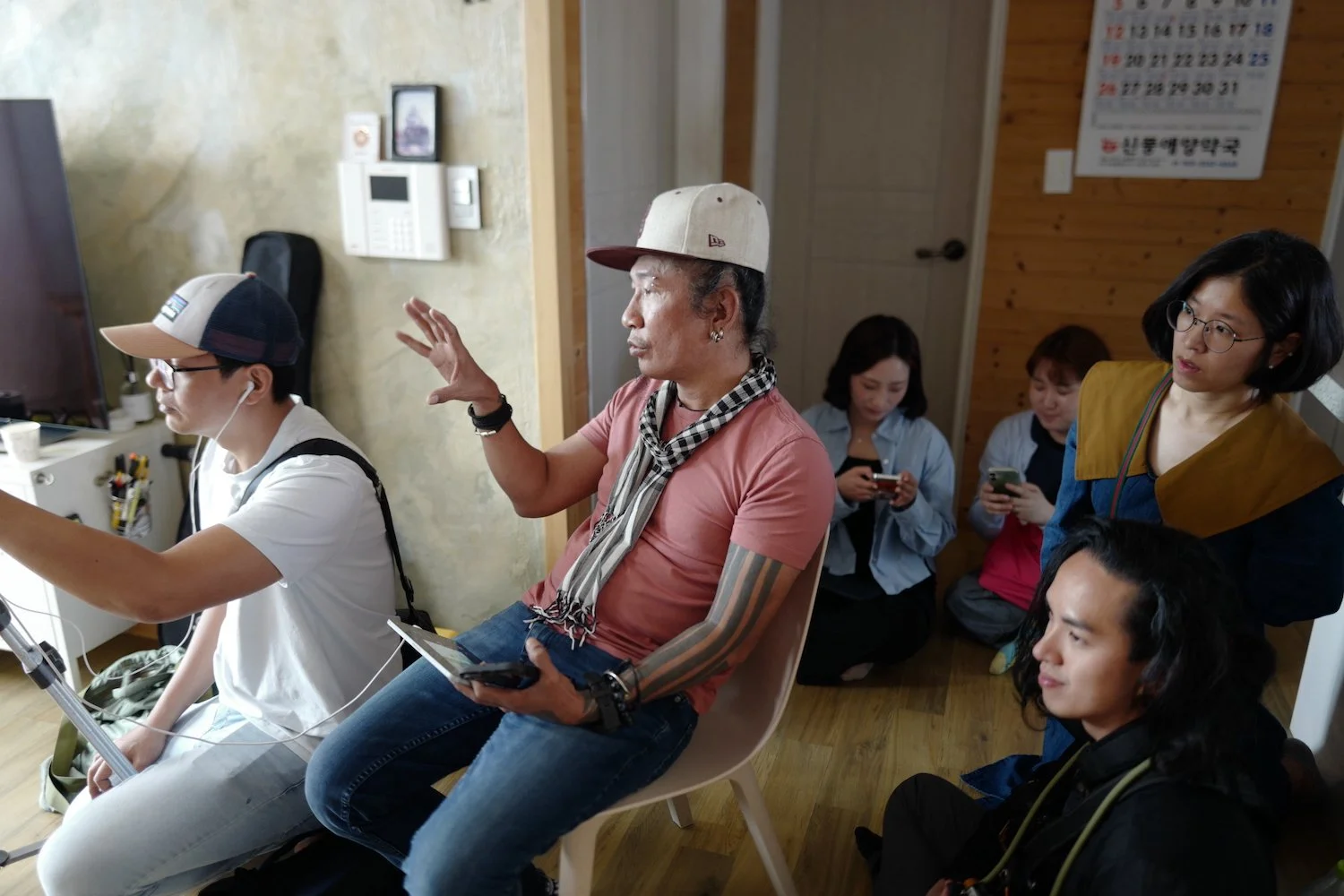
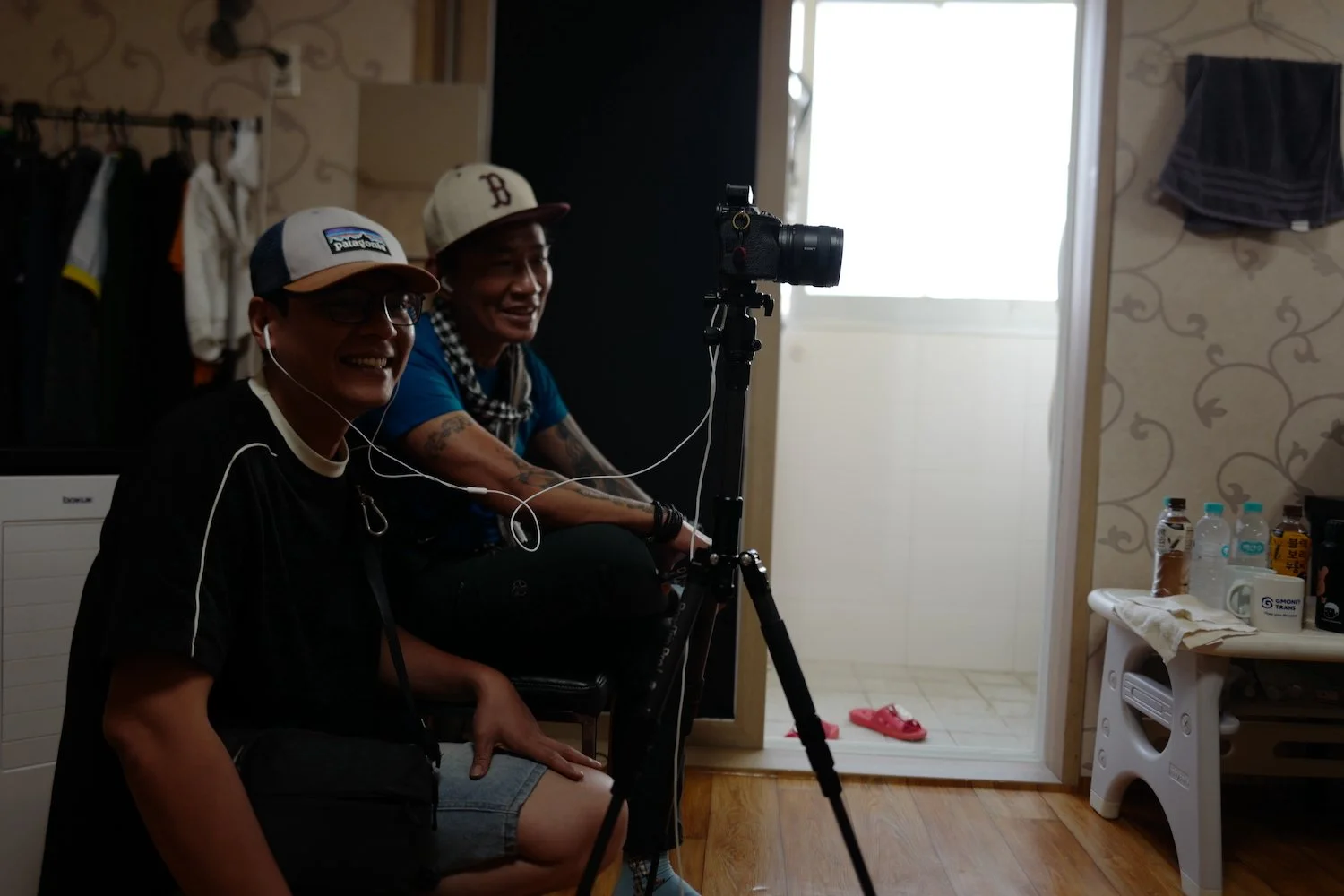
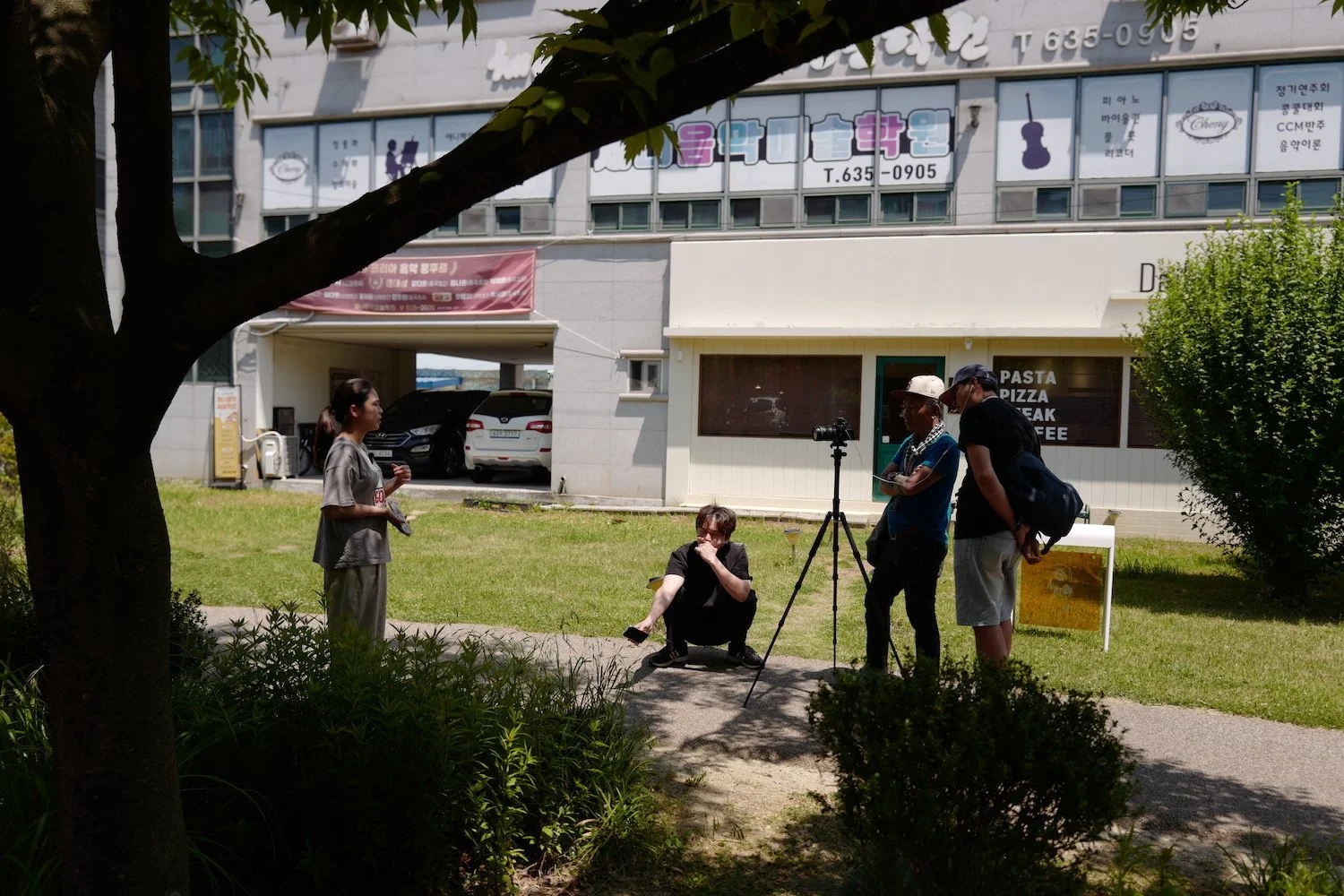
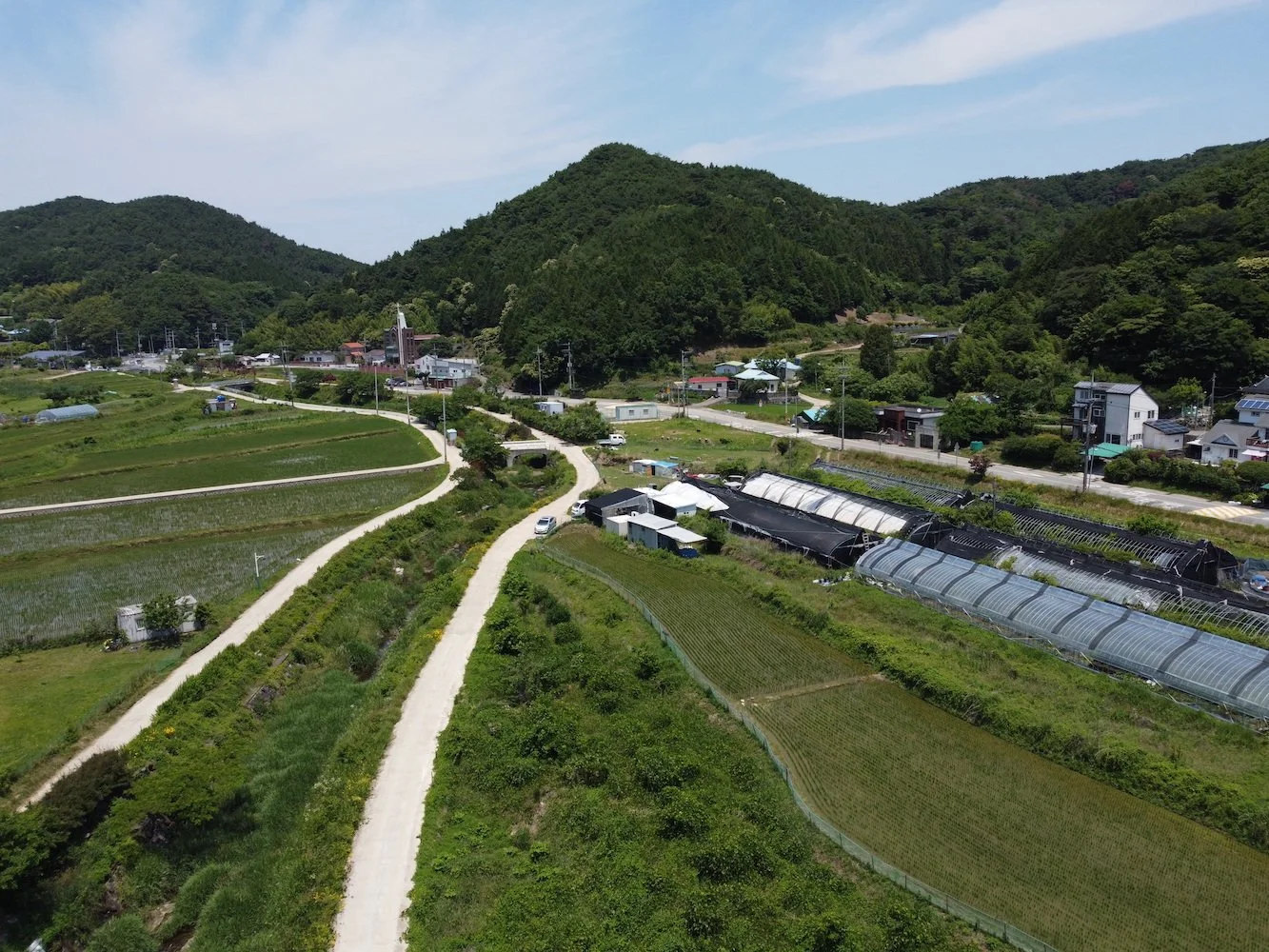
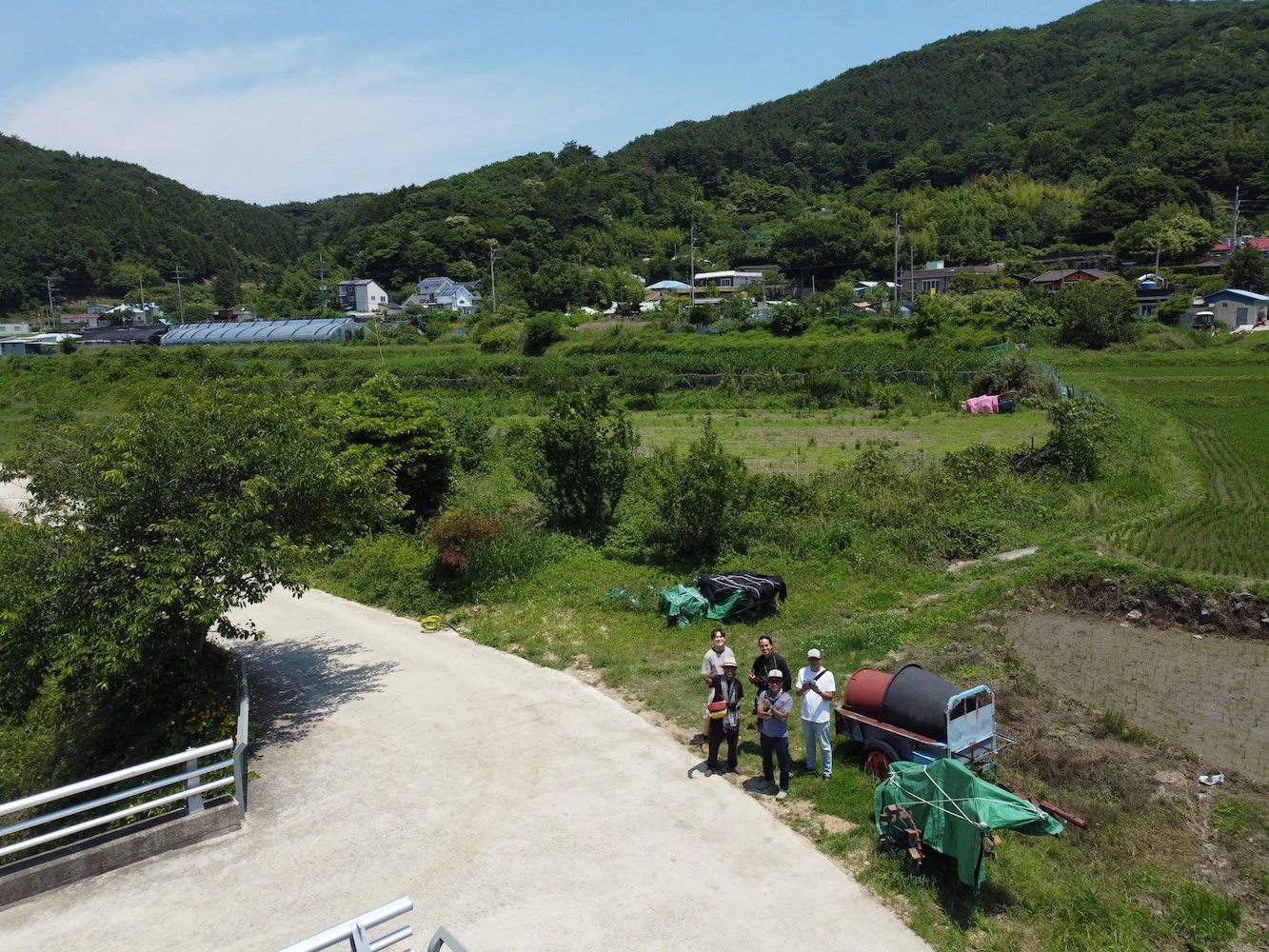
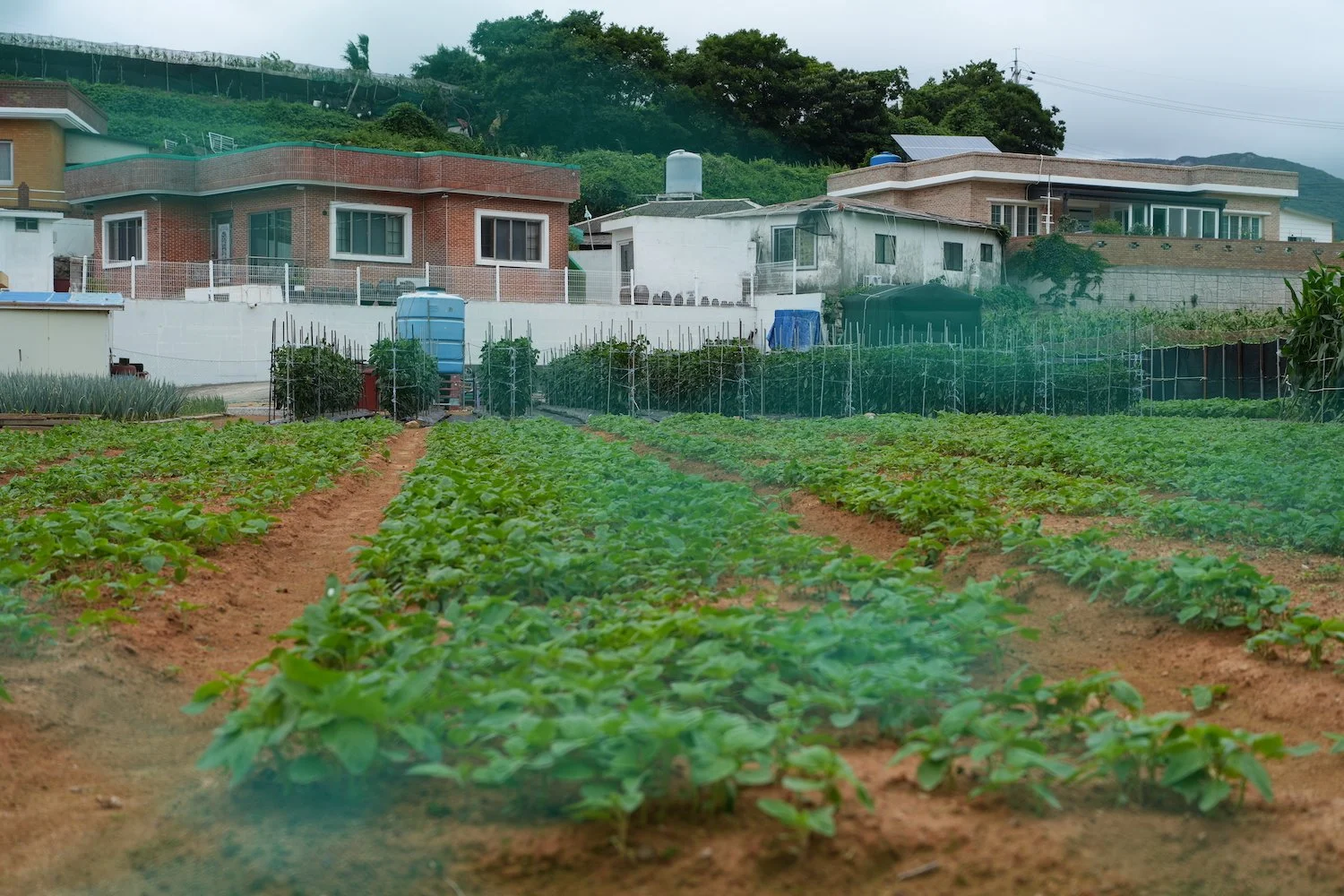
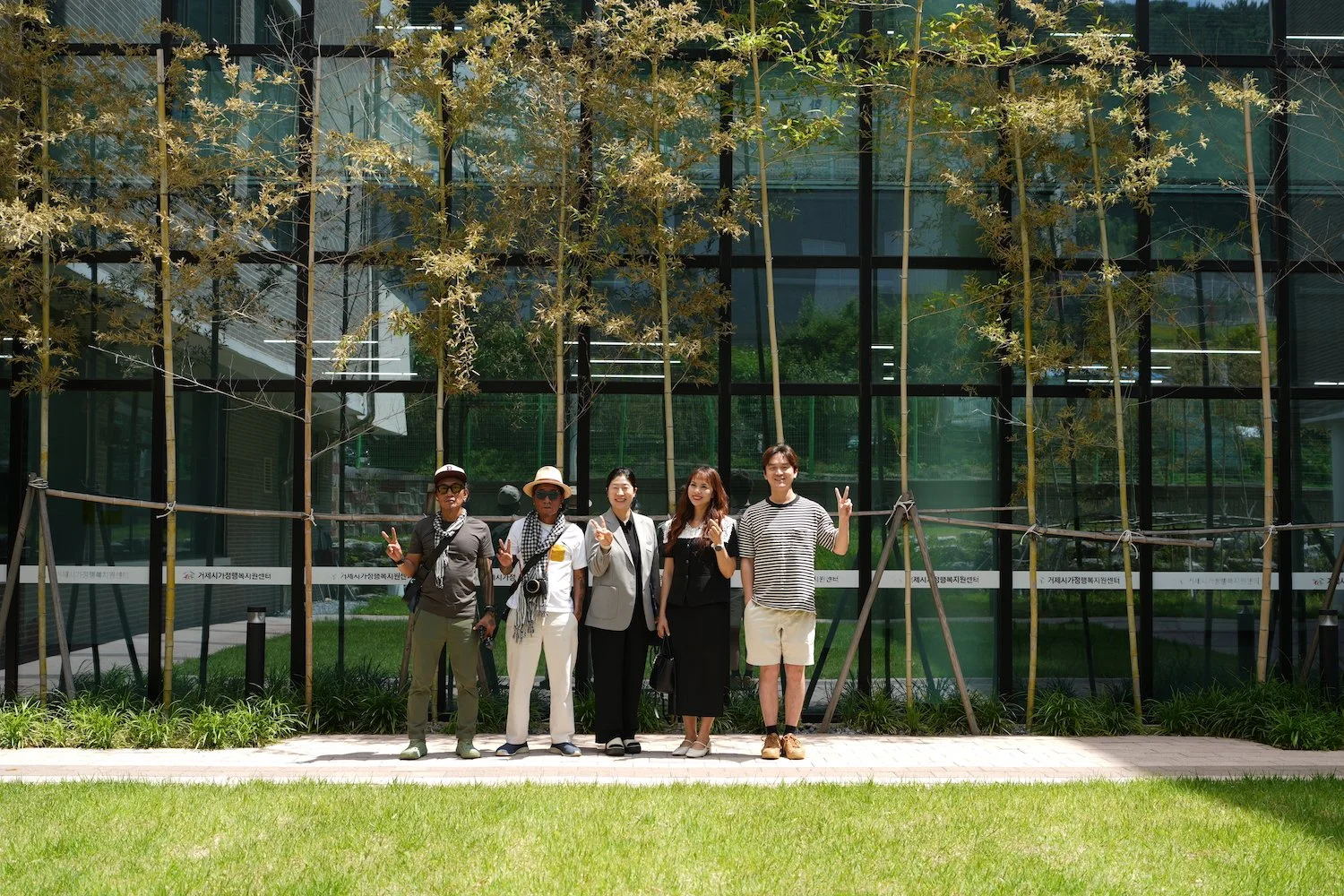
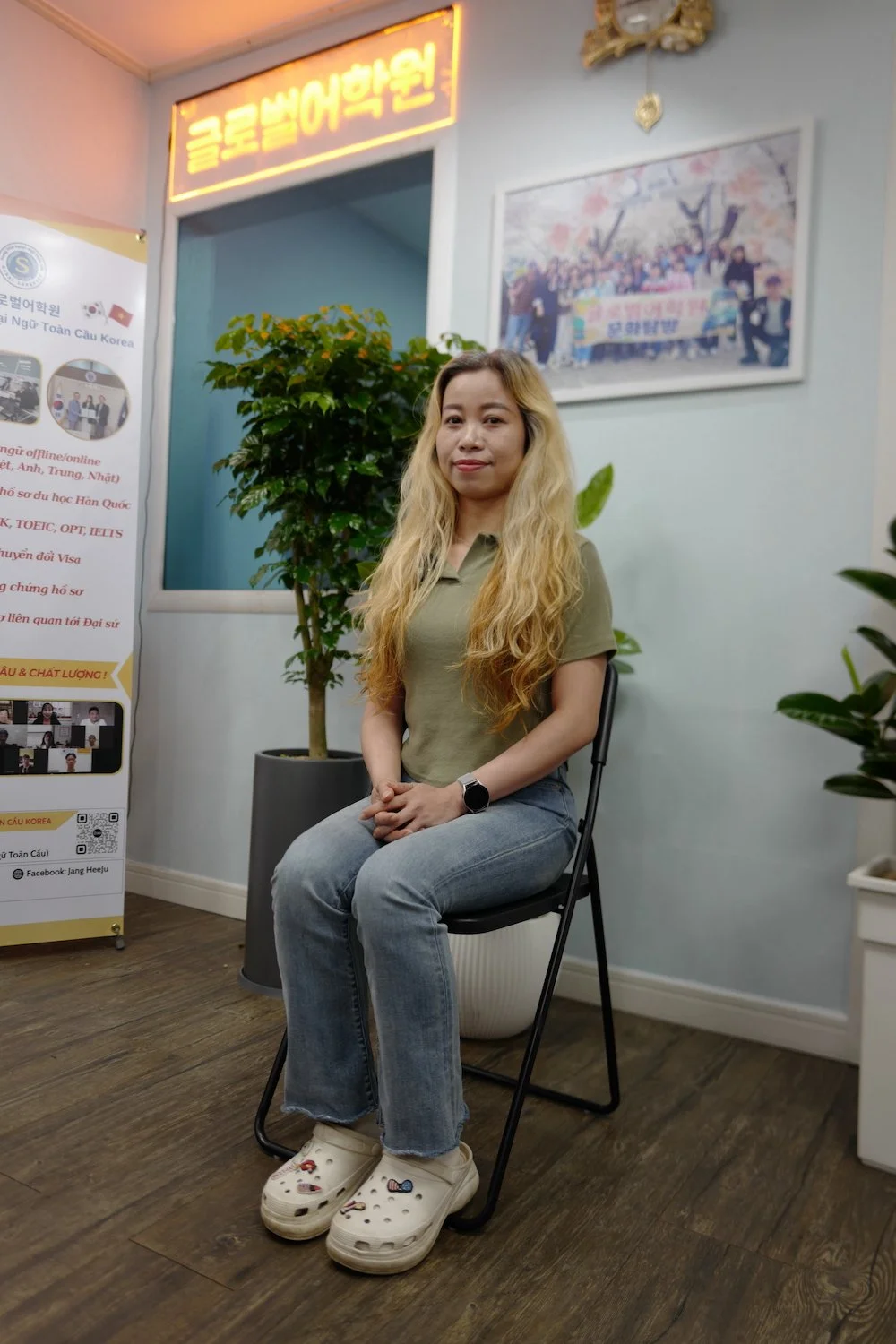
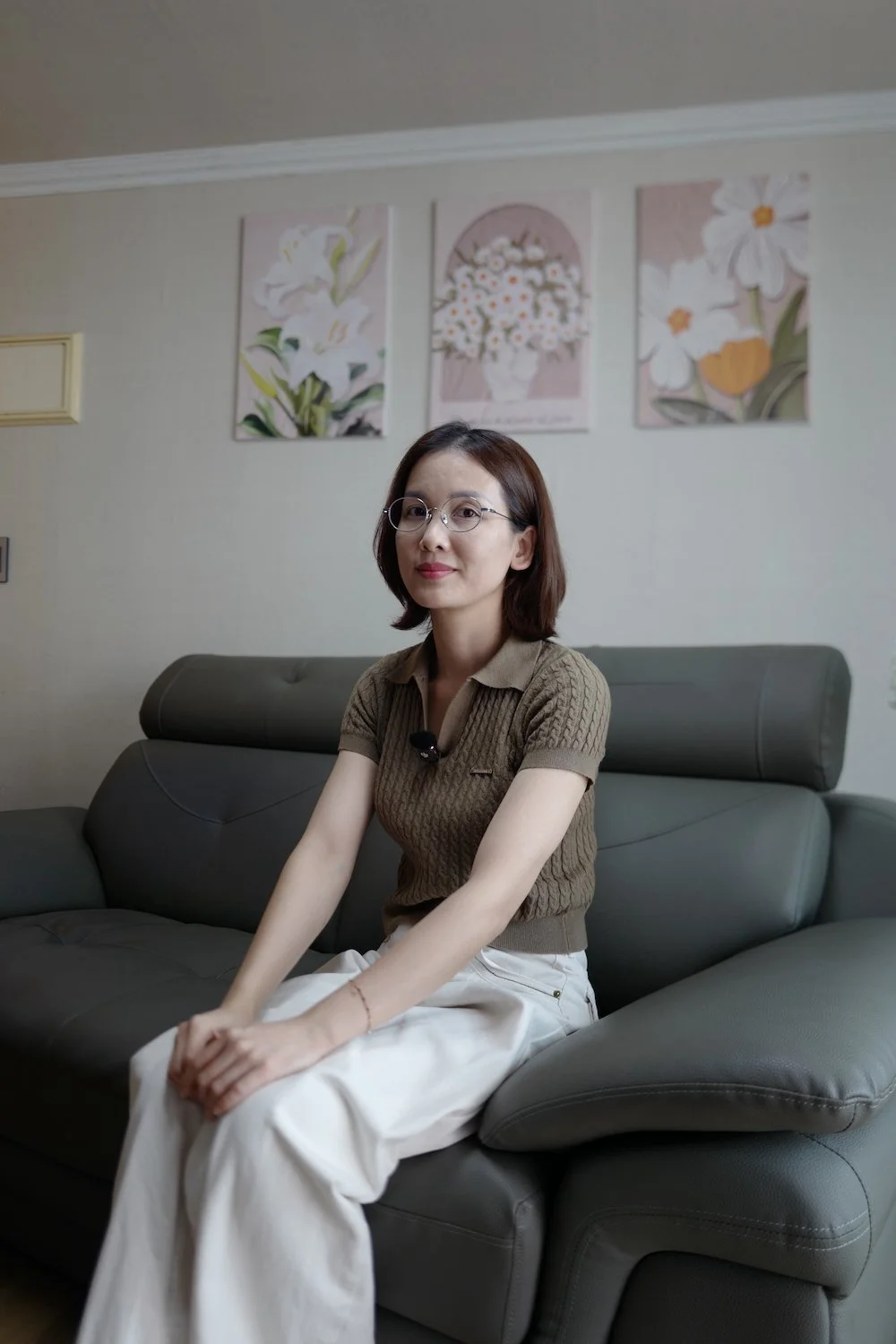
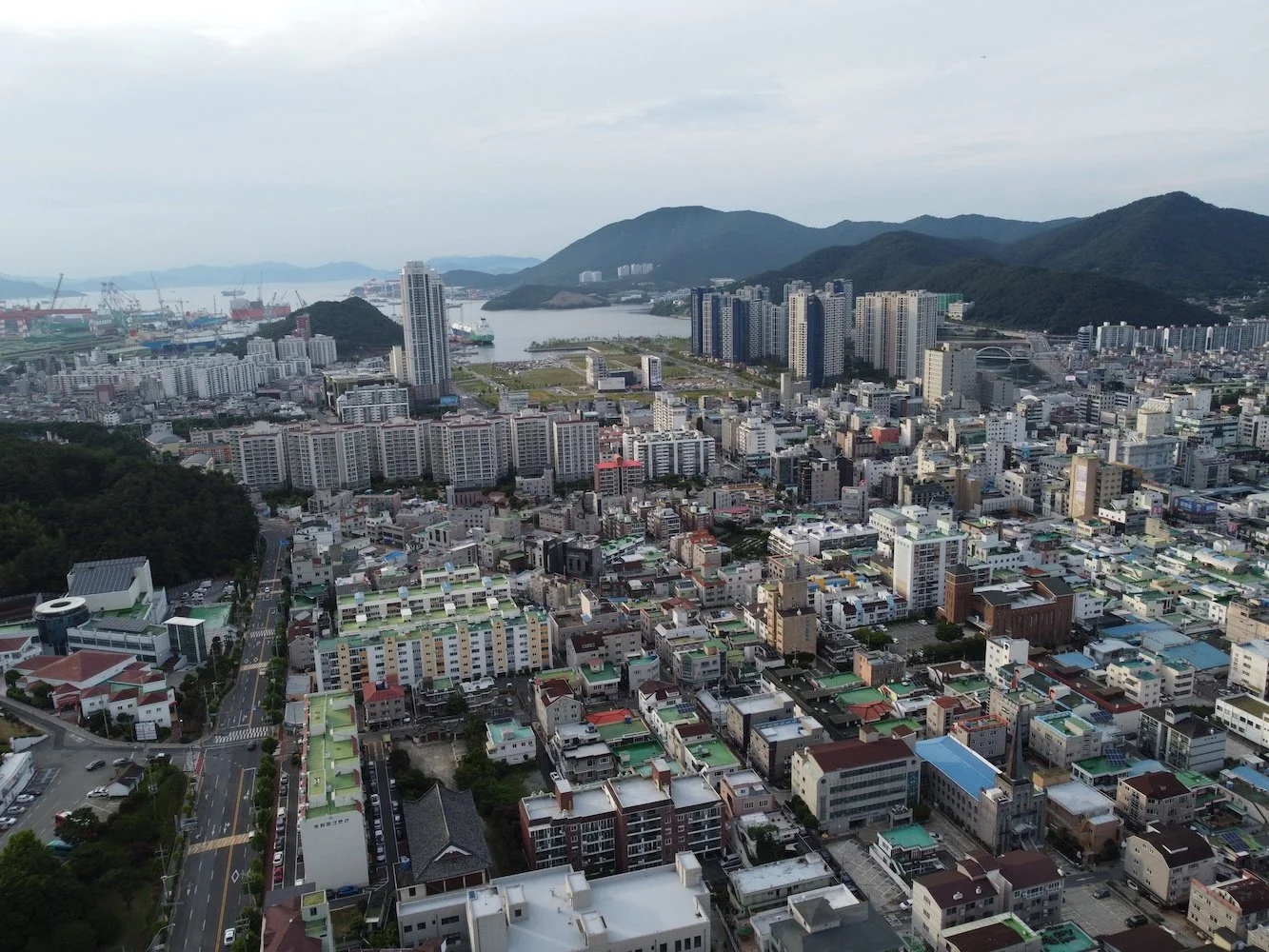
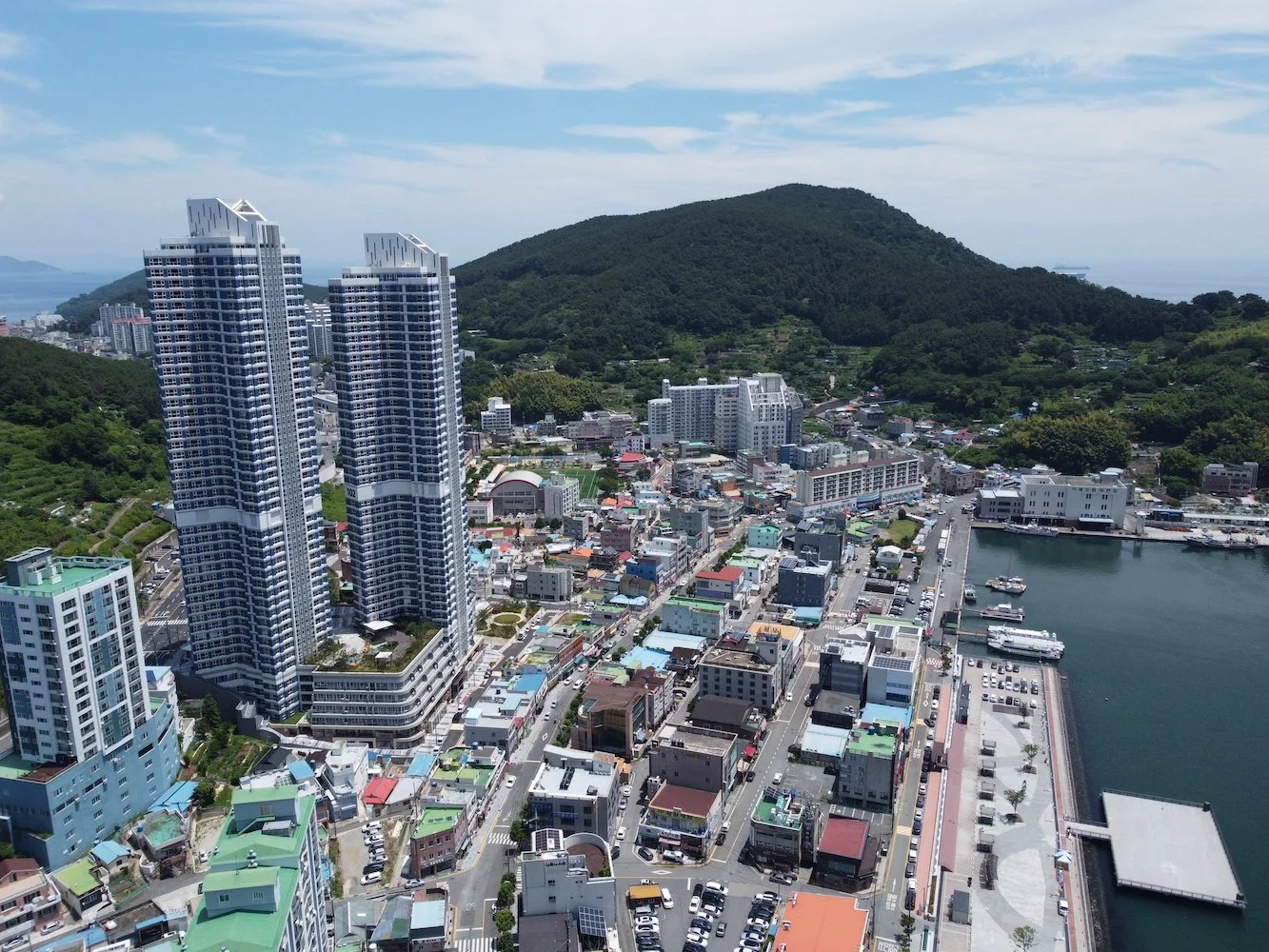
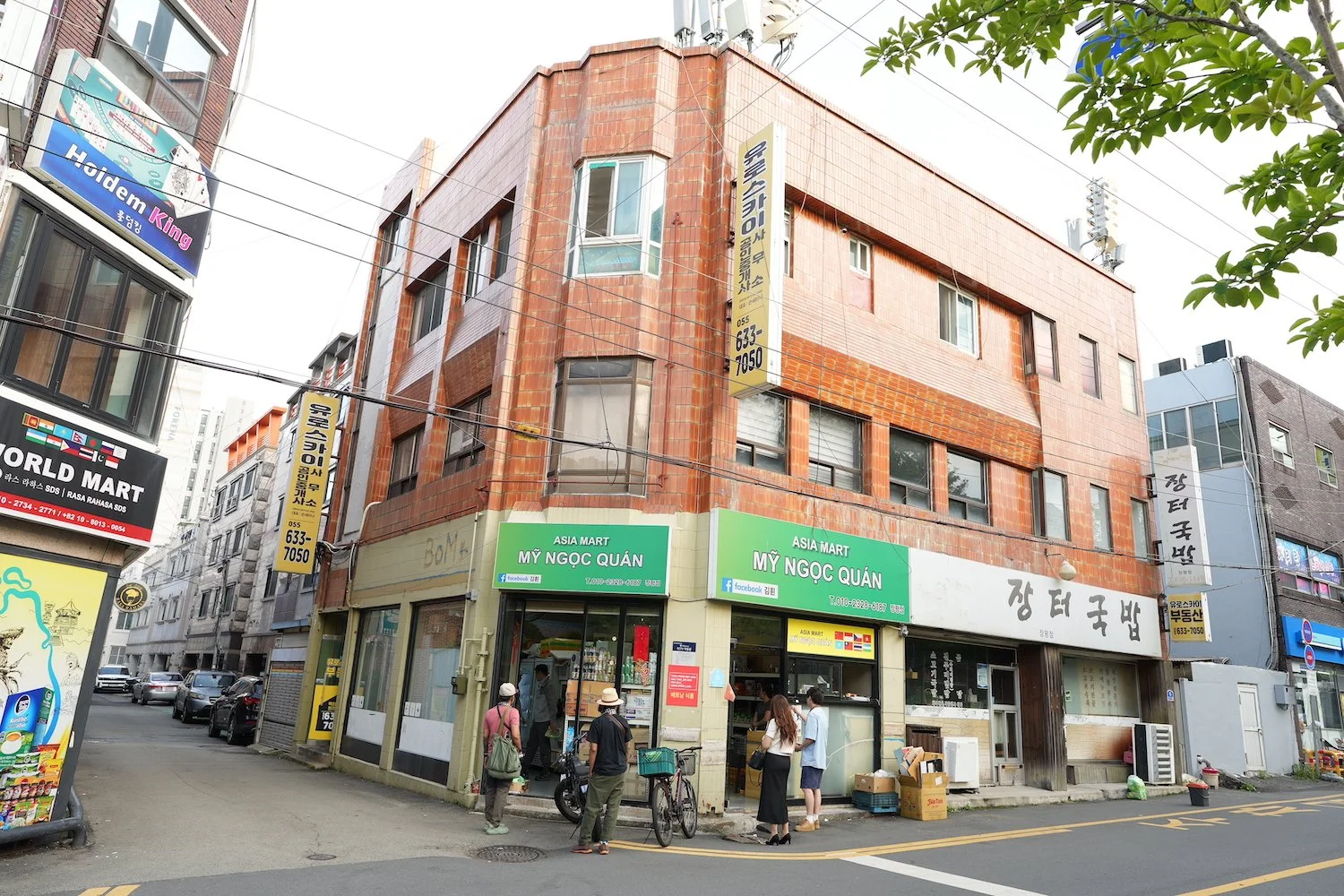
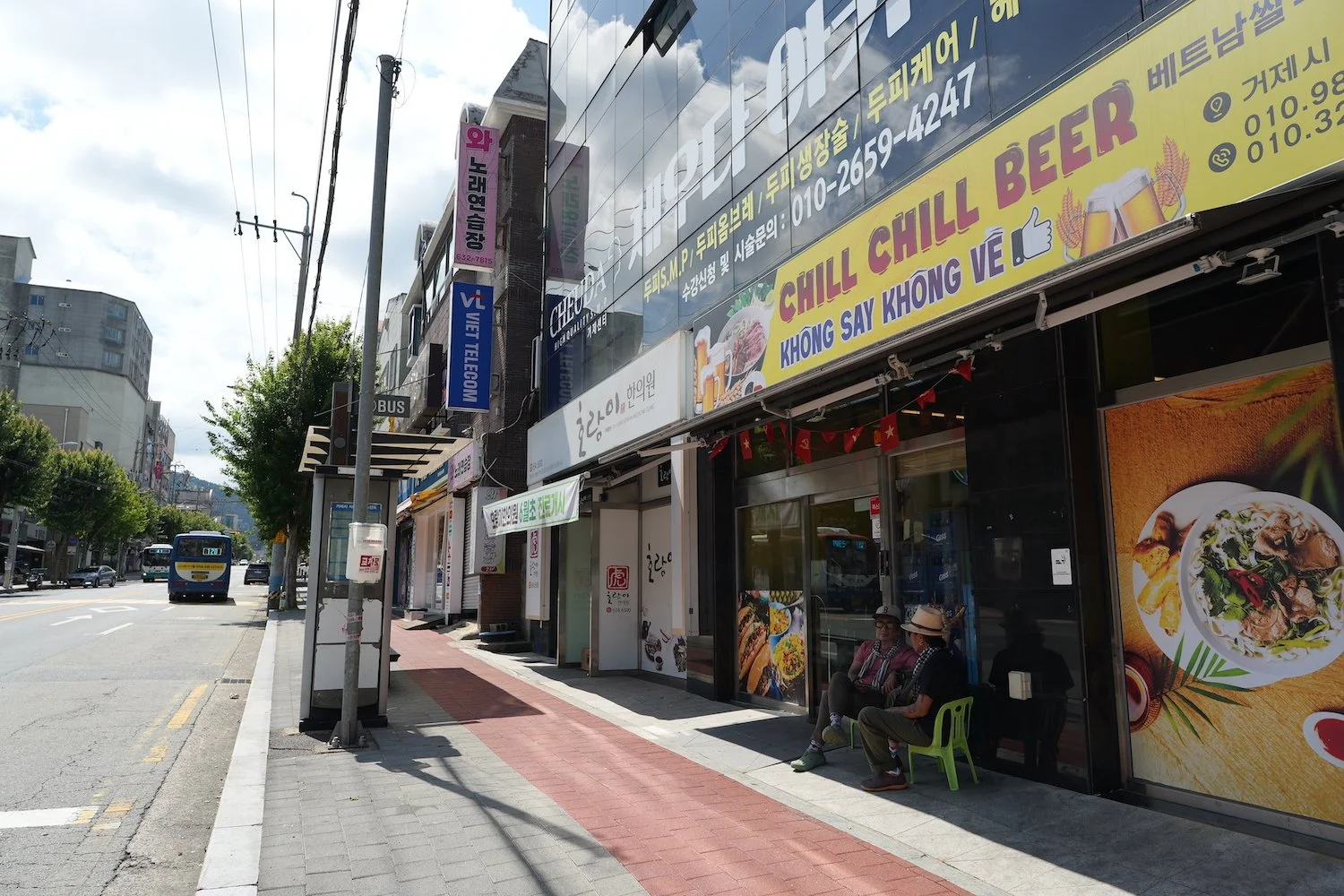
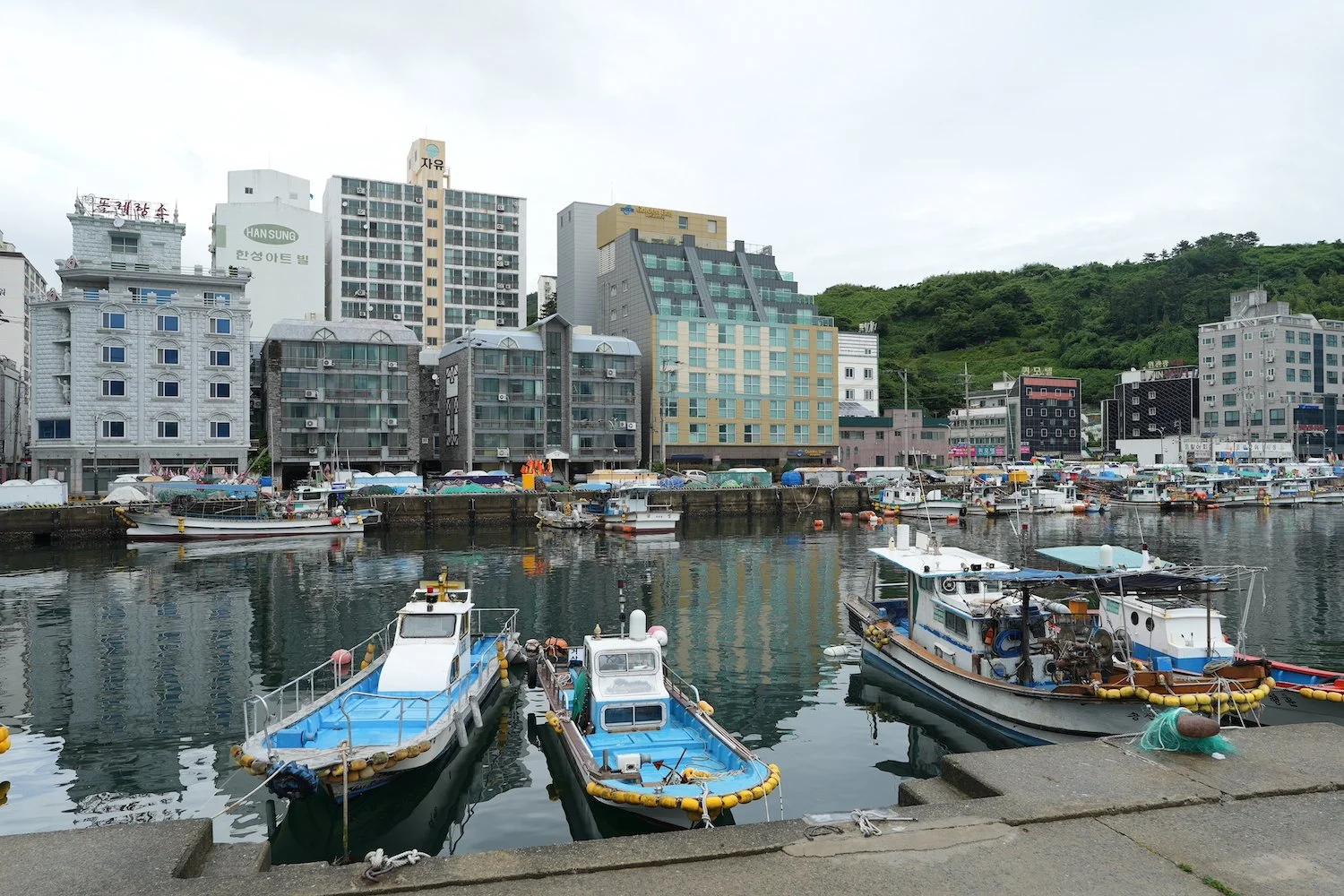
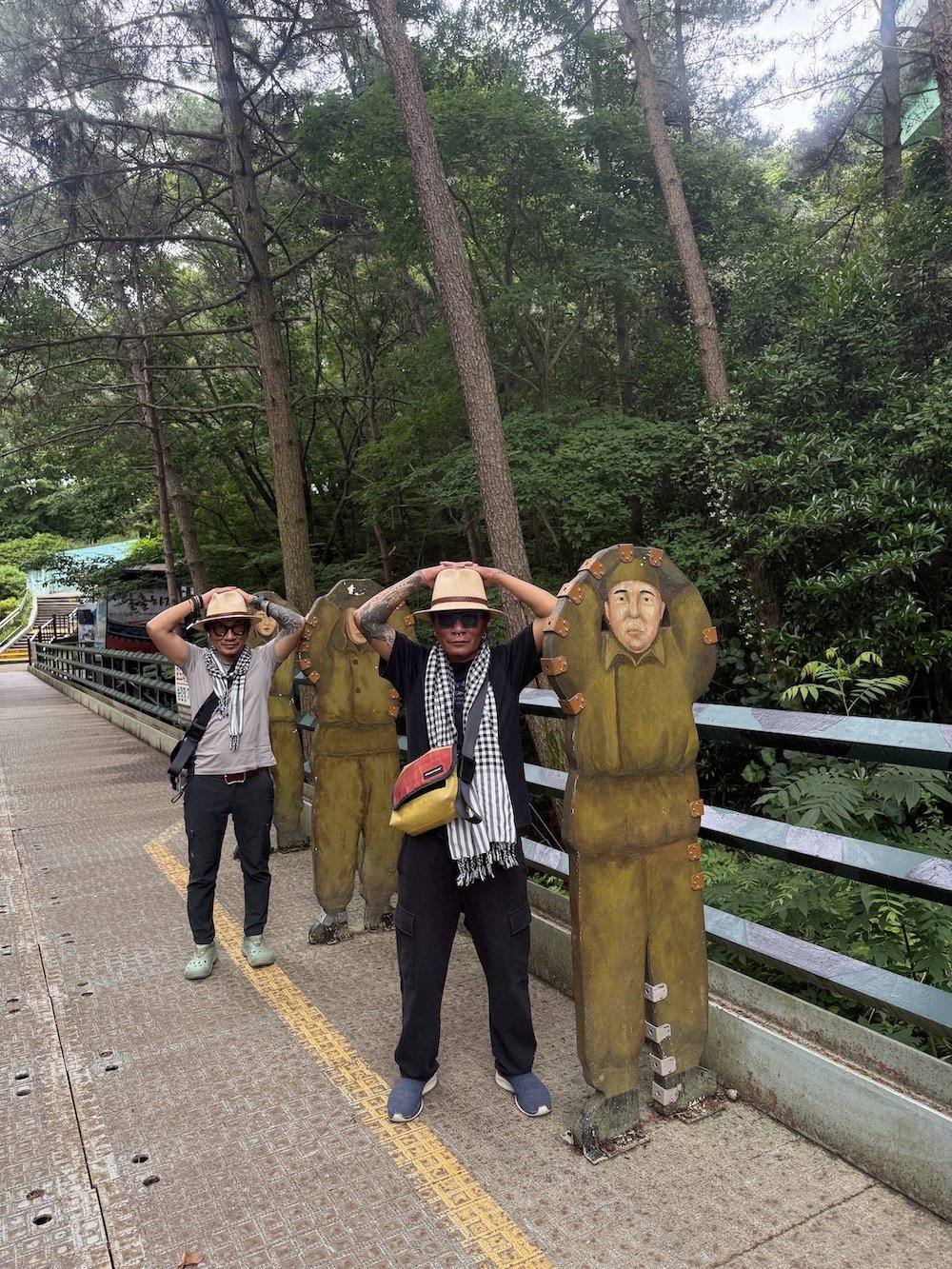
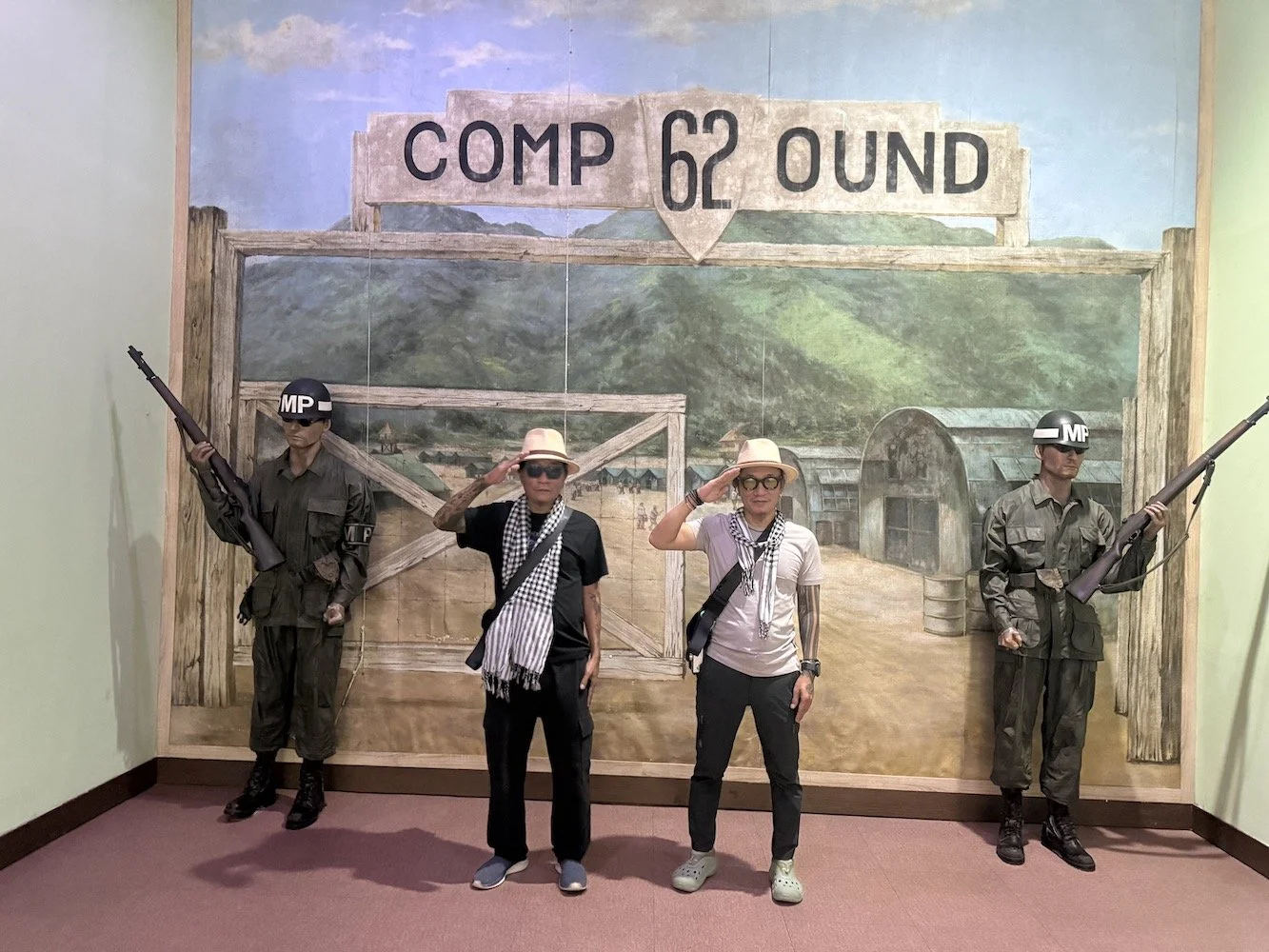
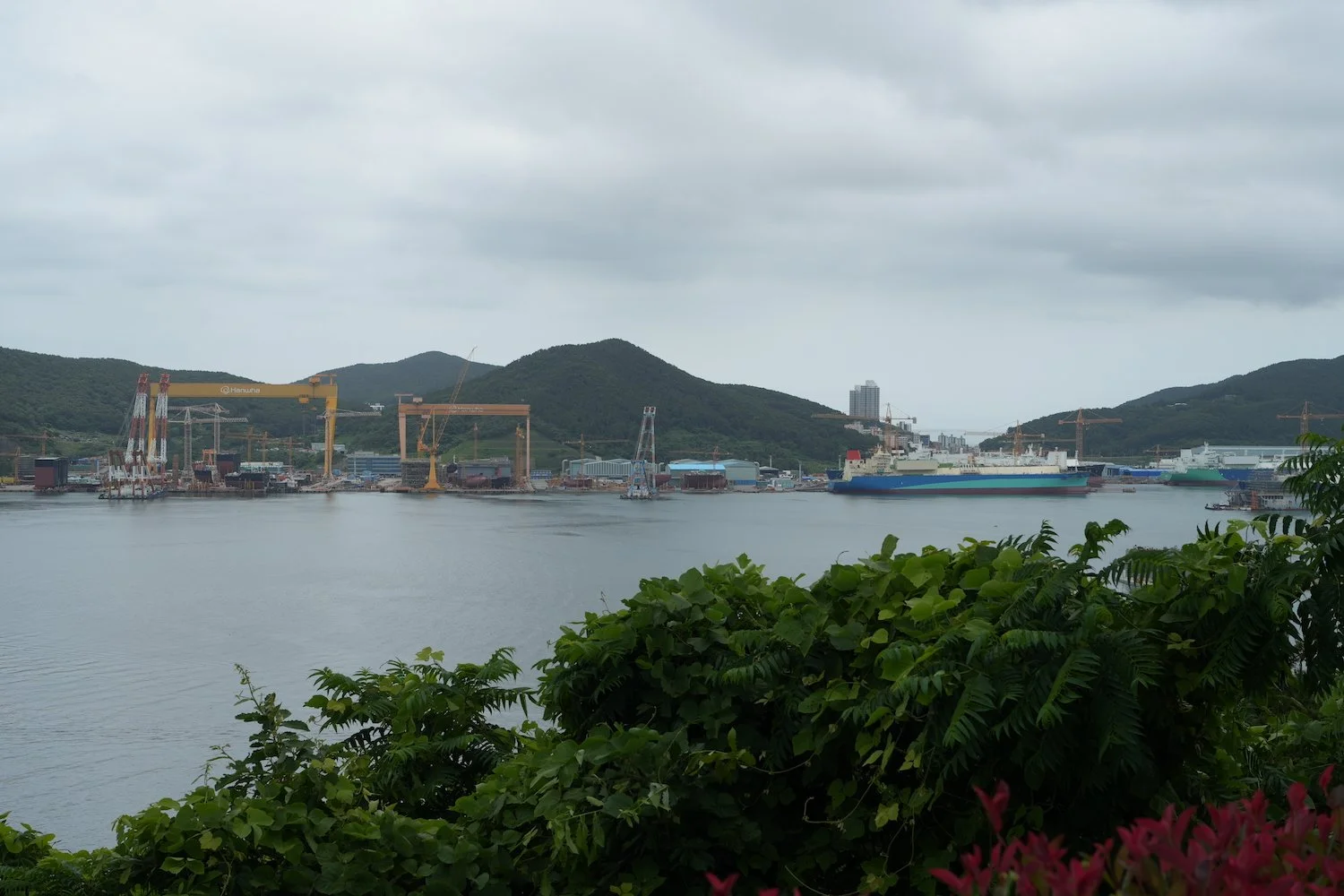
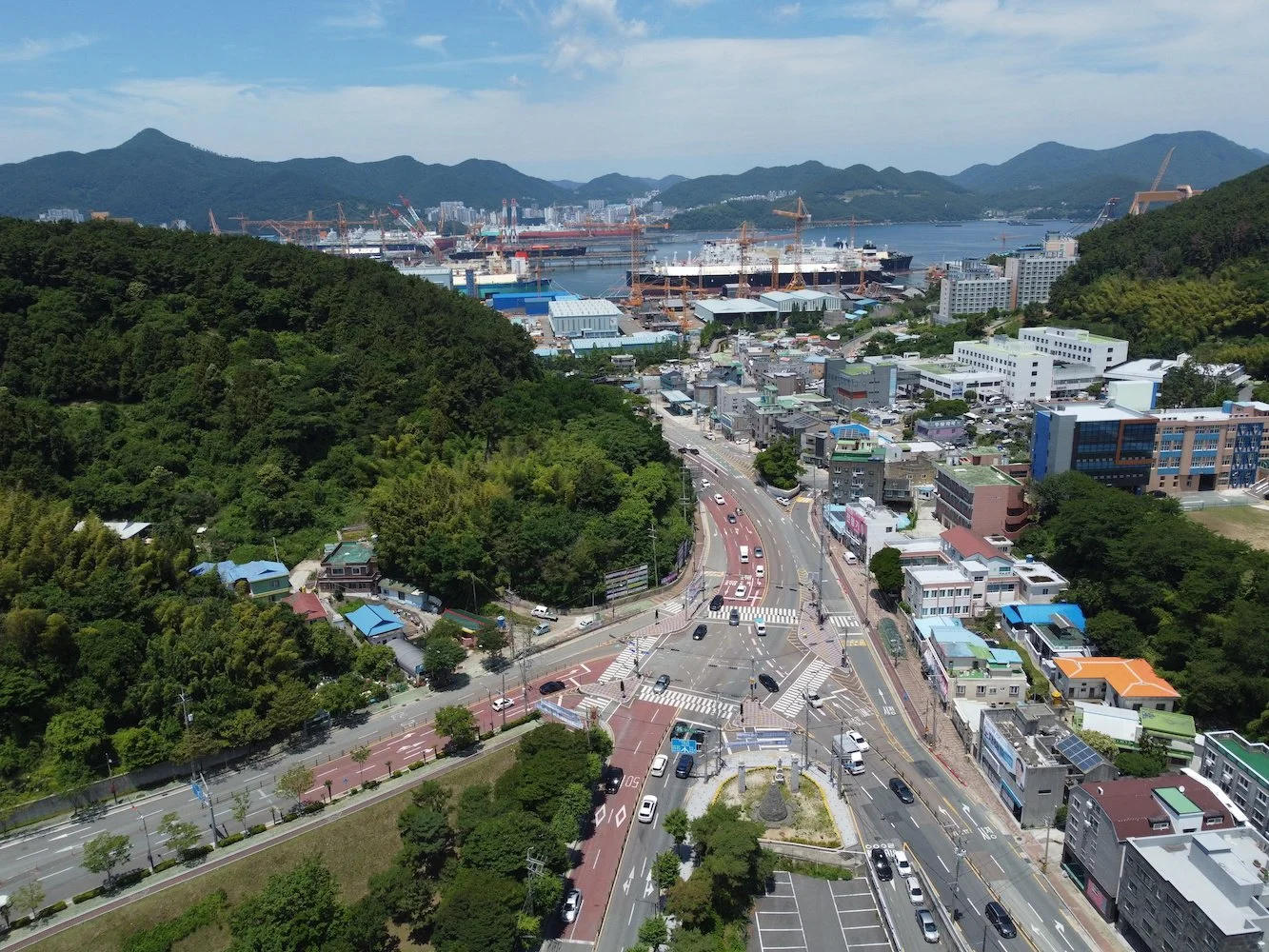
Geoje, an industrial island off the southern coast of South Korea, bears the traces of war, division, and displacement. It offers a unique setting from which to reflect on contemporary migration. Vietnam and South Korea are both nations that have experienced profound historical divisions shaped by war and ideology. These memories continue to resonate, often quietly, in the ways people leave their homelands, search for belonging, and learn to live with distance.
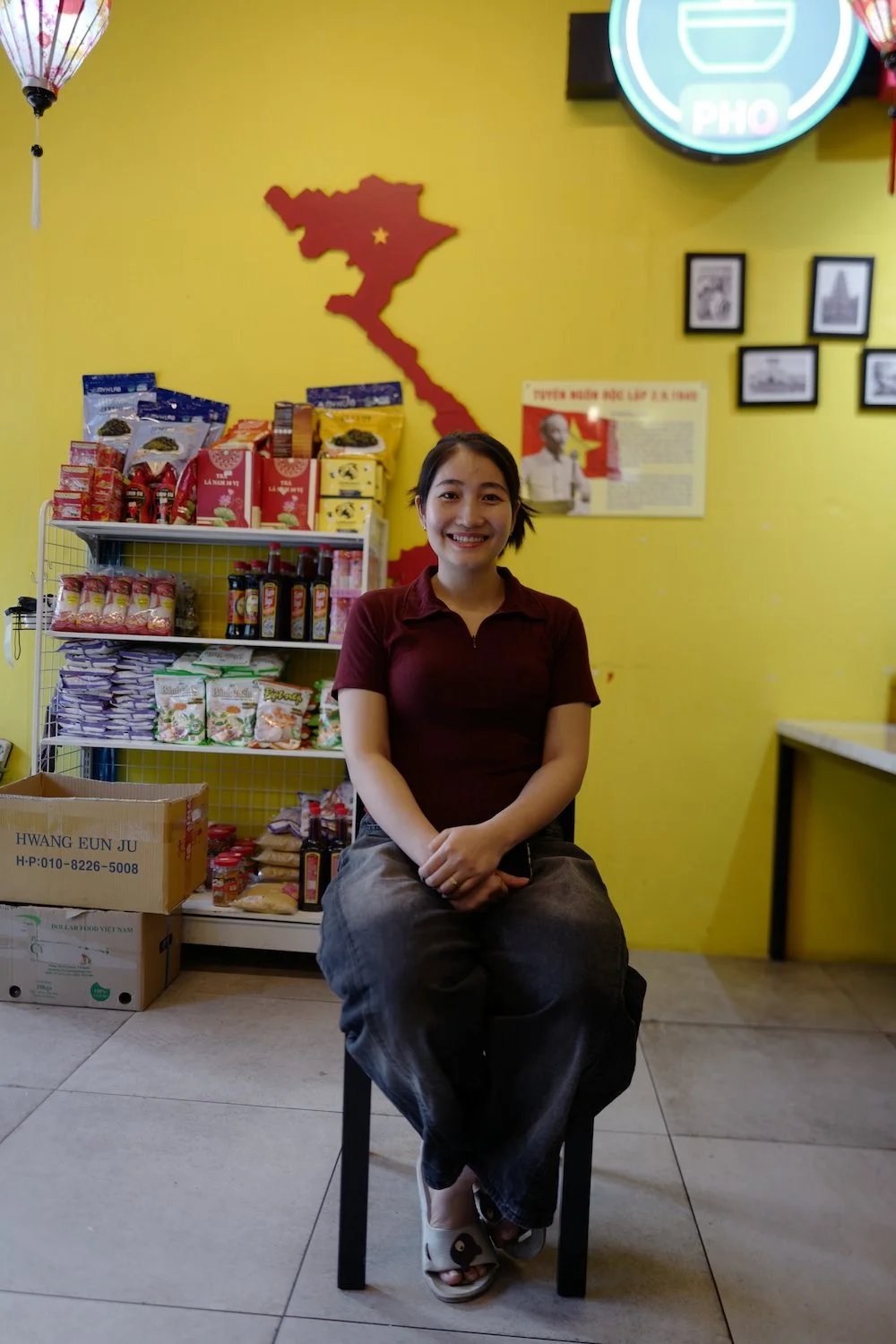
In Geoje—home to the historical site of the Korean War Prisoner-of-War Camp—the project does not seek to compare the histories of two nations. Rather, it listens to how experiences of separation, loss, adaptation, and recovery continue to echo through the lives of Vietnamese marriage migrants today. If history once divided lands and people, these women are, in their everyday lives, learning to reconnect the distances between language, family, memory, and future.
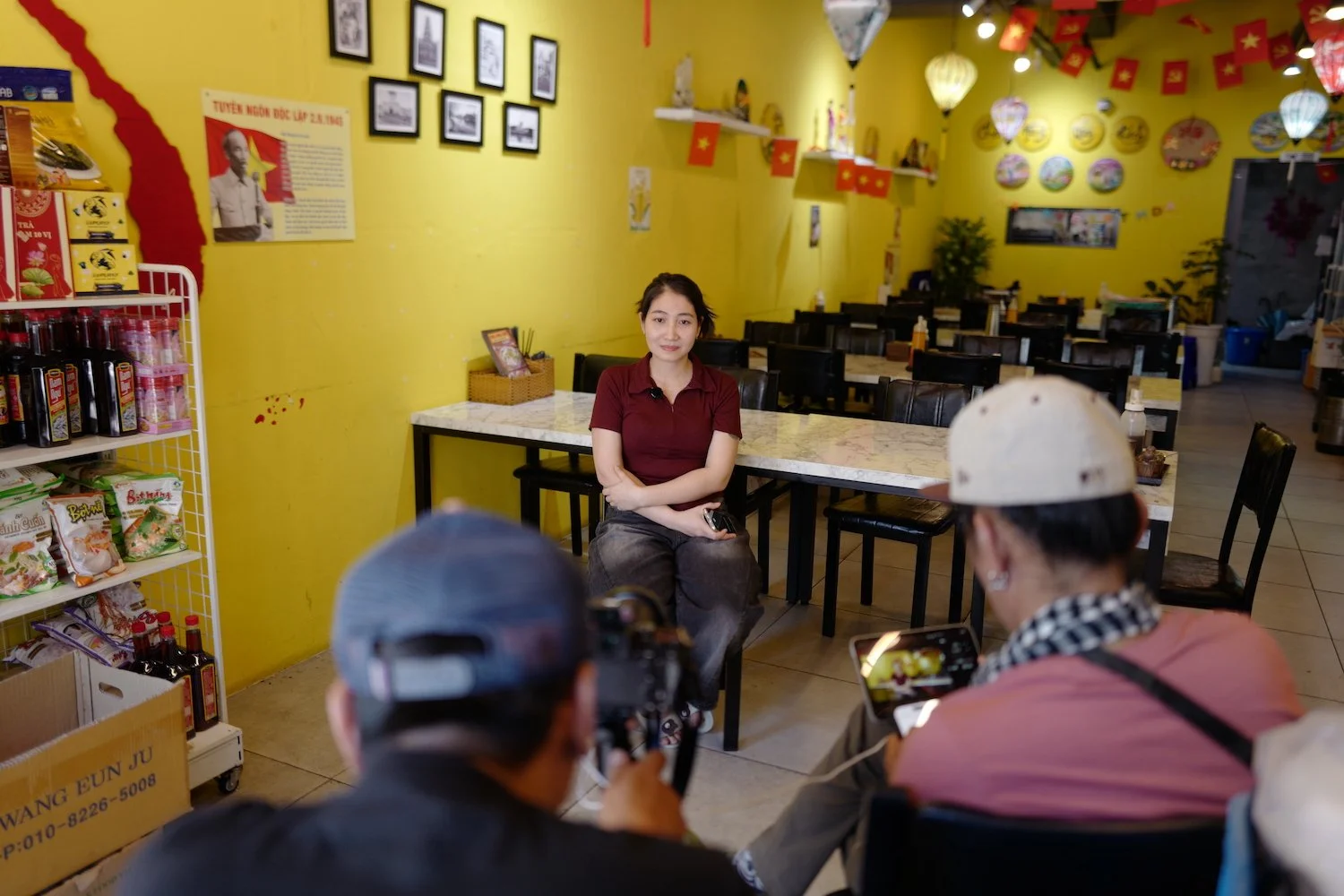
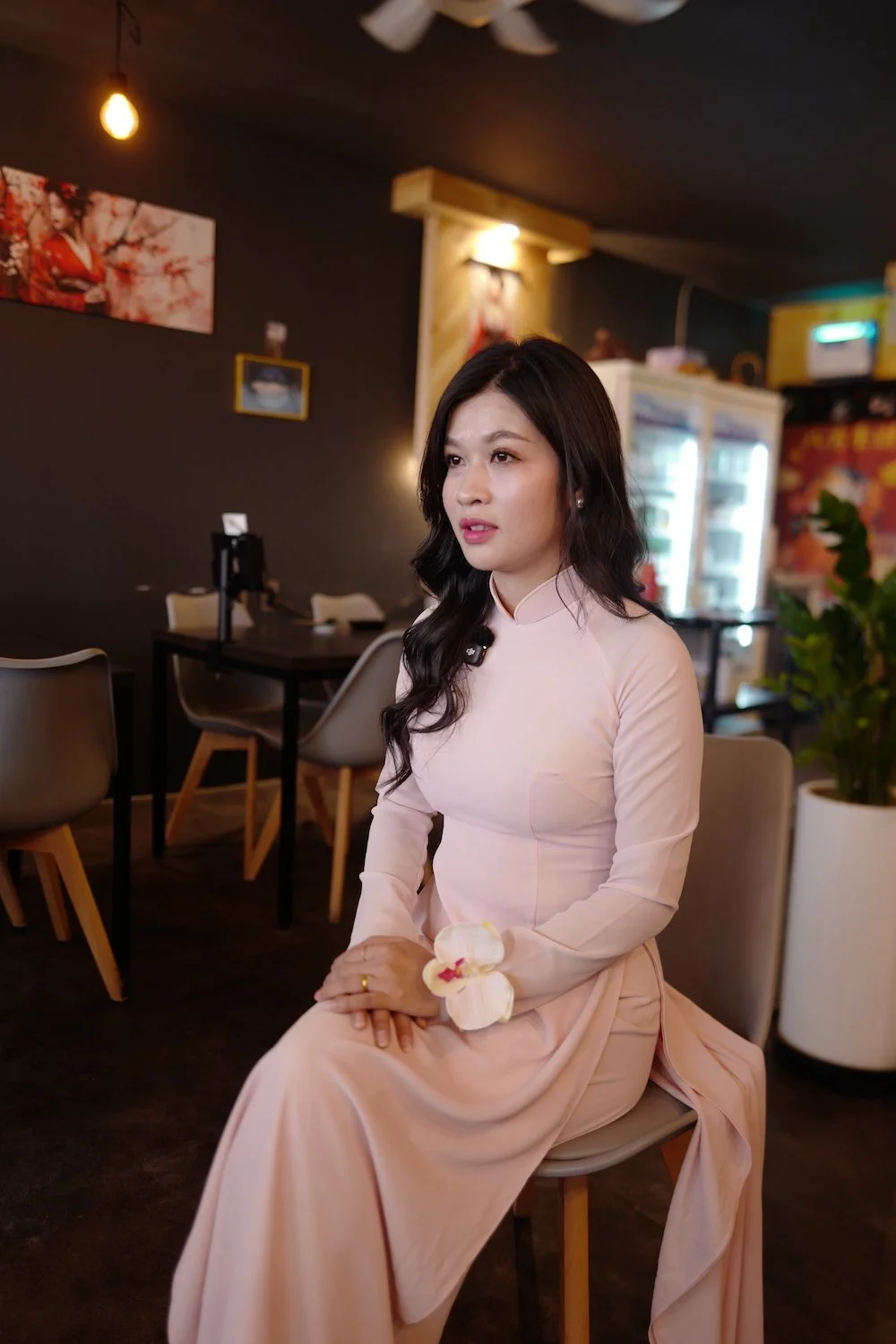
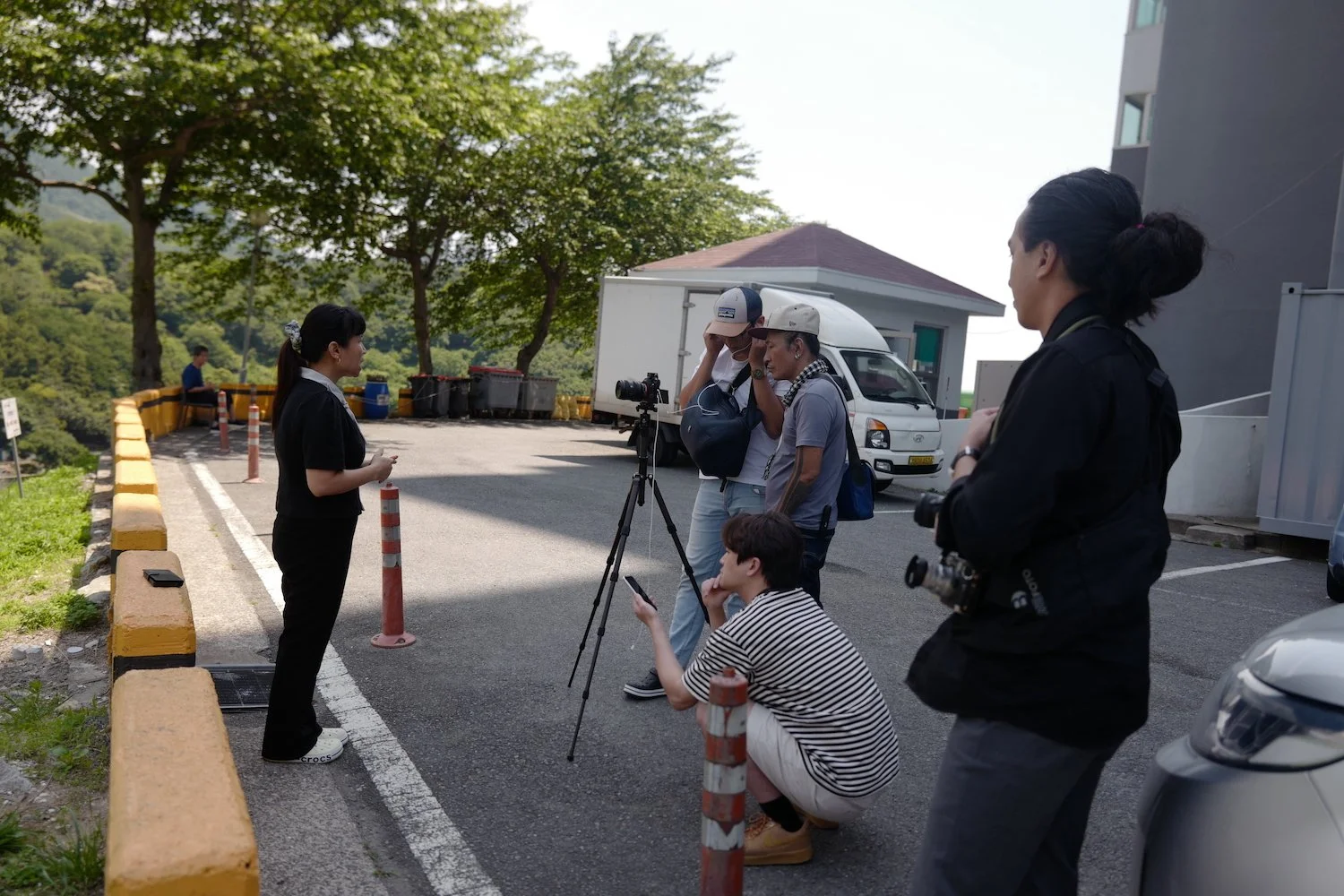
The project takes shape through video art based on in-depth interviews and analogue film photography, serving as a means of preserving the fragile layers of memory embedded within everyday life. We are not searching for grand narratives. Instead, we attend to small details: a kitchen carrying the scent of home, a late-night phone call to Vietnam, a moment of silence around the dining table, an object kept since the day of departure, or the subtle moments when the body learns to belong to another place.
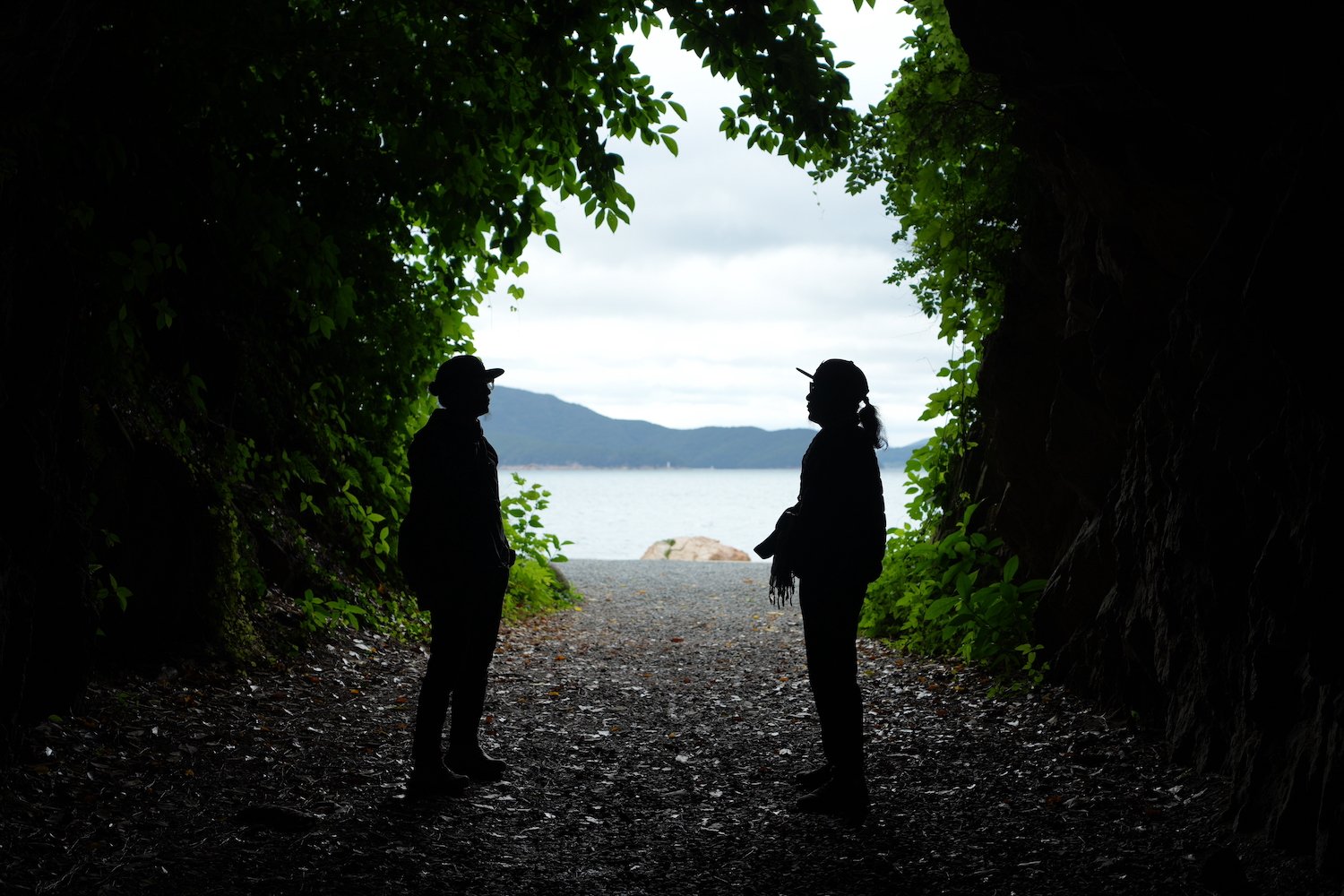
The interviews are approached as a practice of listening and contemplation, where memories are not extracted or demanded but emerge through images, sounds, objects, and silence. Drawing inspiration from Buddhist philosophy, the project understands migration as a process of “crossing through”—moving through loss, difference, loneliness, love, and transformation.
In this context, “crossing together” does not signify victory or overcoming. Rather, it refers to the capacity to continue living, continue caring, and continue opening oneself to the impermanence of life.
Those Who Cross Together is not a record of suffering, but a practice of listening. It is an effort to encounter those who live between two worlds, where memory, the body, and love quietly inhabit the subtle gestures of everyday life.
THOSE WHO CROSS TOGETHER (2026)
Project Statement / Artist Statement
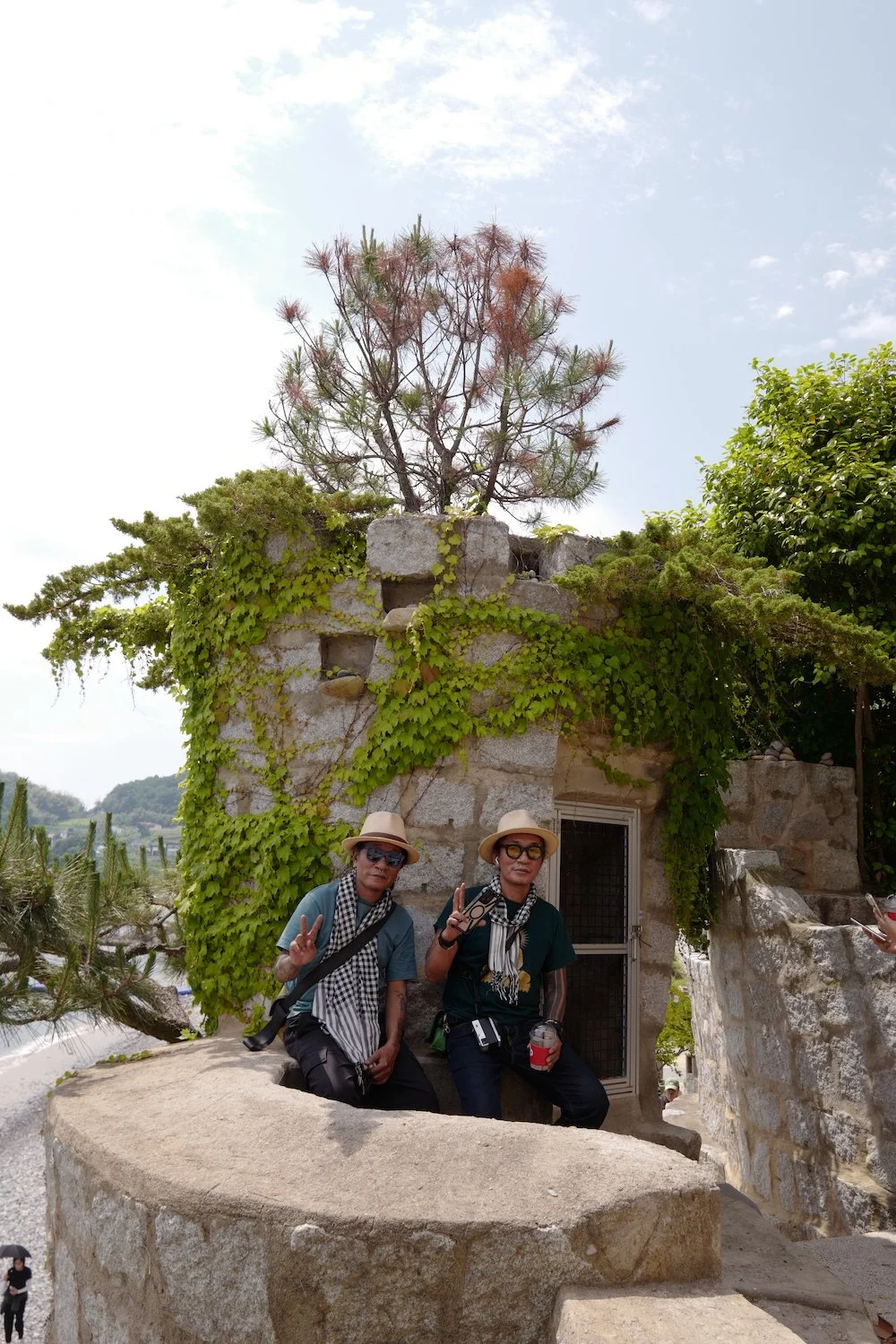
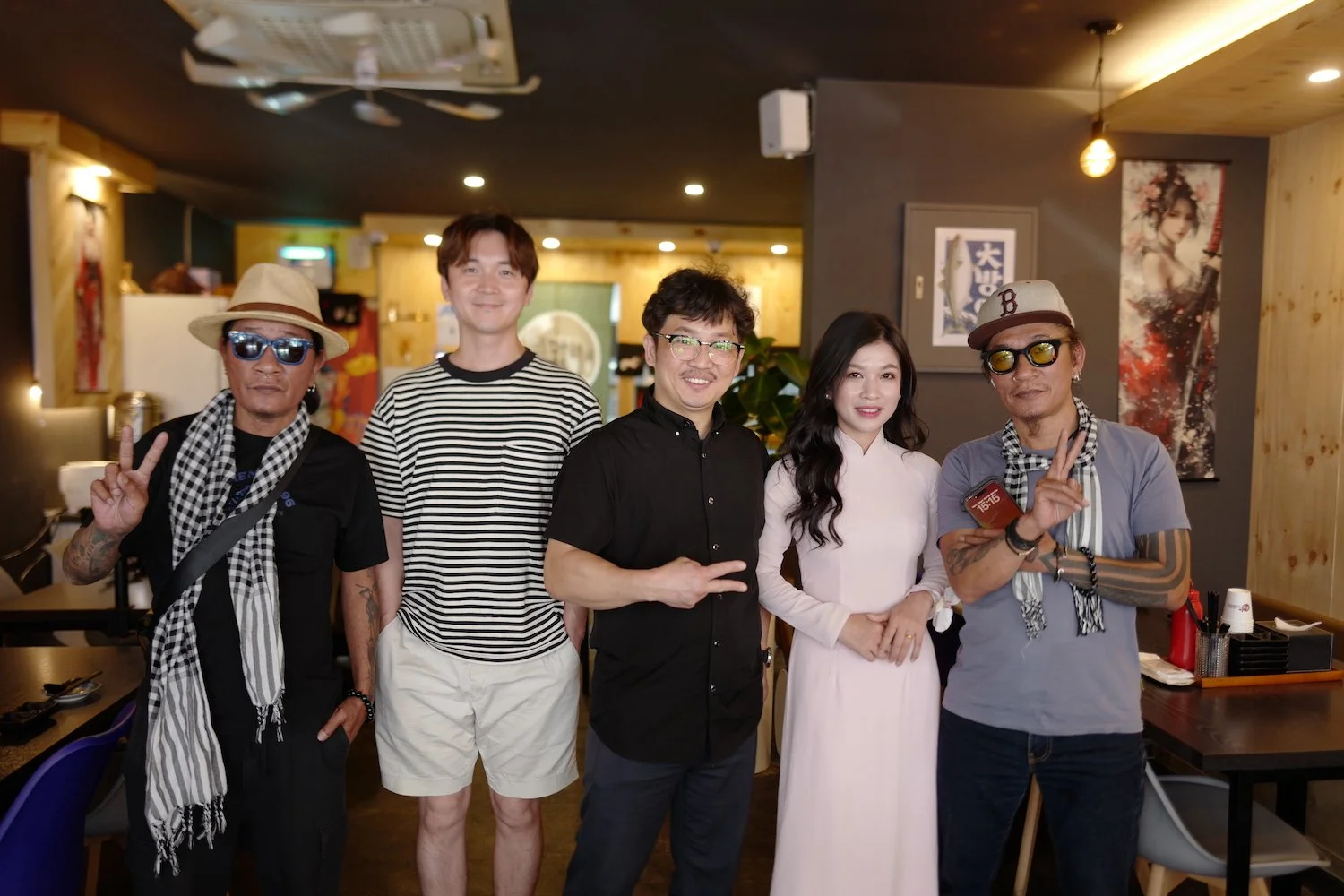
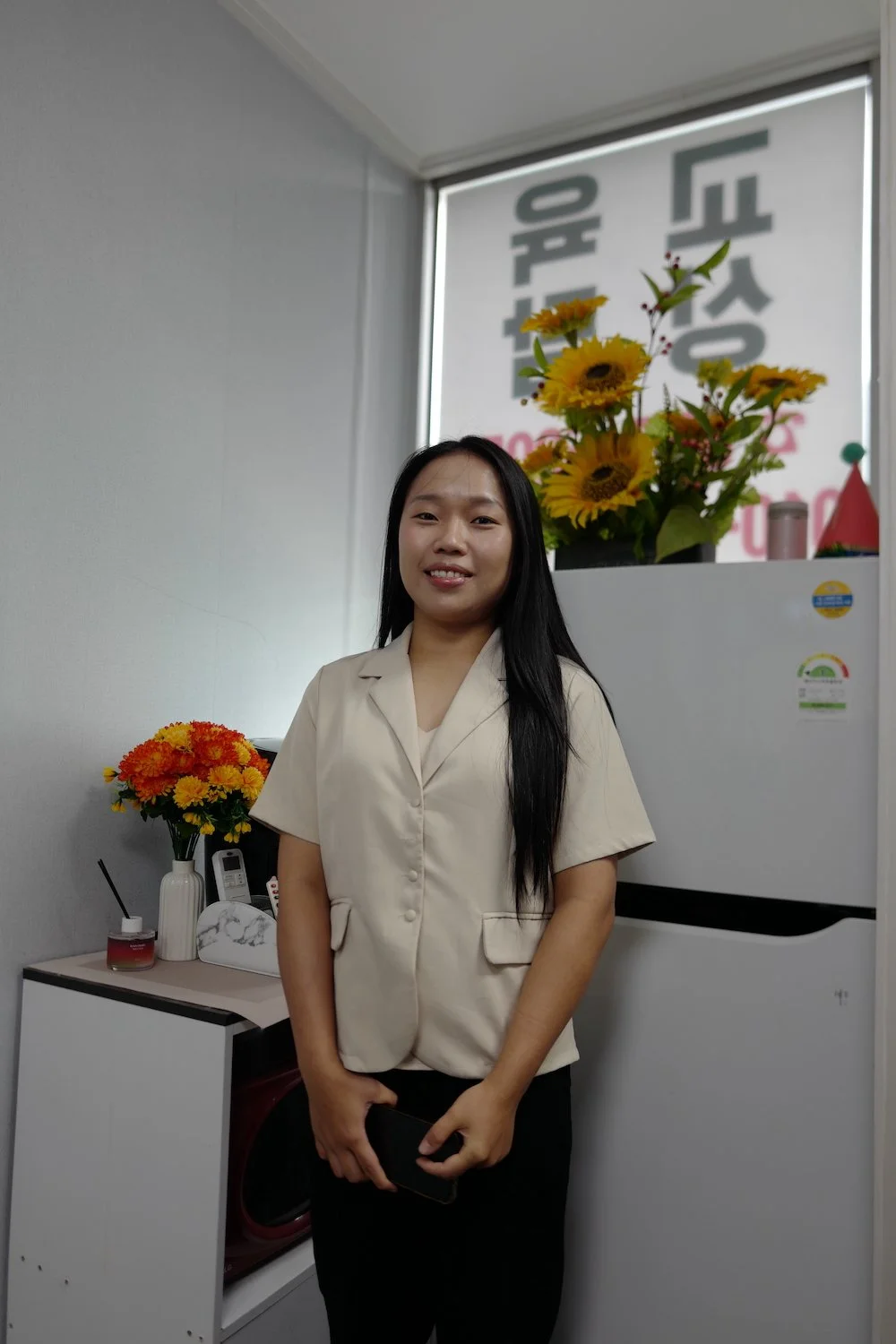
Those Who Cross Together is an artistic research project by Jo Sung-woo and Le Brothers that explores the lives of Vietnamese women who migrated through marriage to Geoje, South Korea—women who left their homeland to begin a new life amidst unfamiliar languages, memories, and family structures.
The project begins with a simple question:
What happens to a person when they live between two homelands?
For many years, stories of marriage migrant women have often been viewed through the lenses of economics, social hardship, or demographic statistics. This project, however, does not seek to portray them as victims or as social cases requiring explanation. Instead, we approach them as individuals who quietly build their lives through labor, care, memory, endurance, love, and the continual process of adaptation.